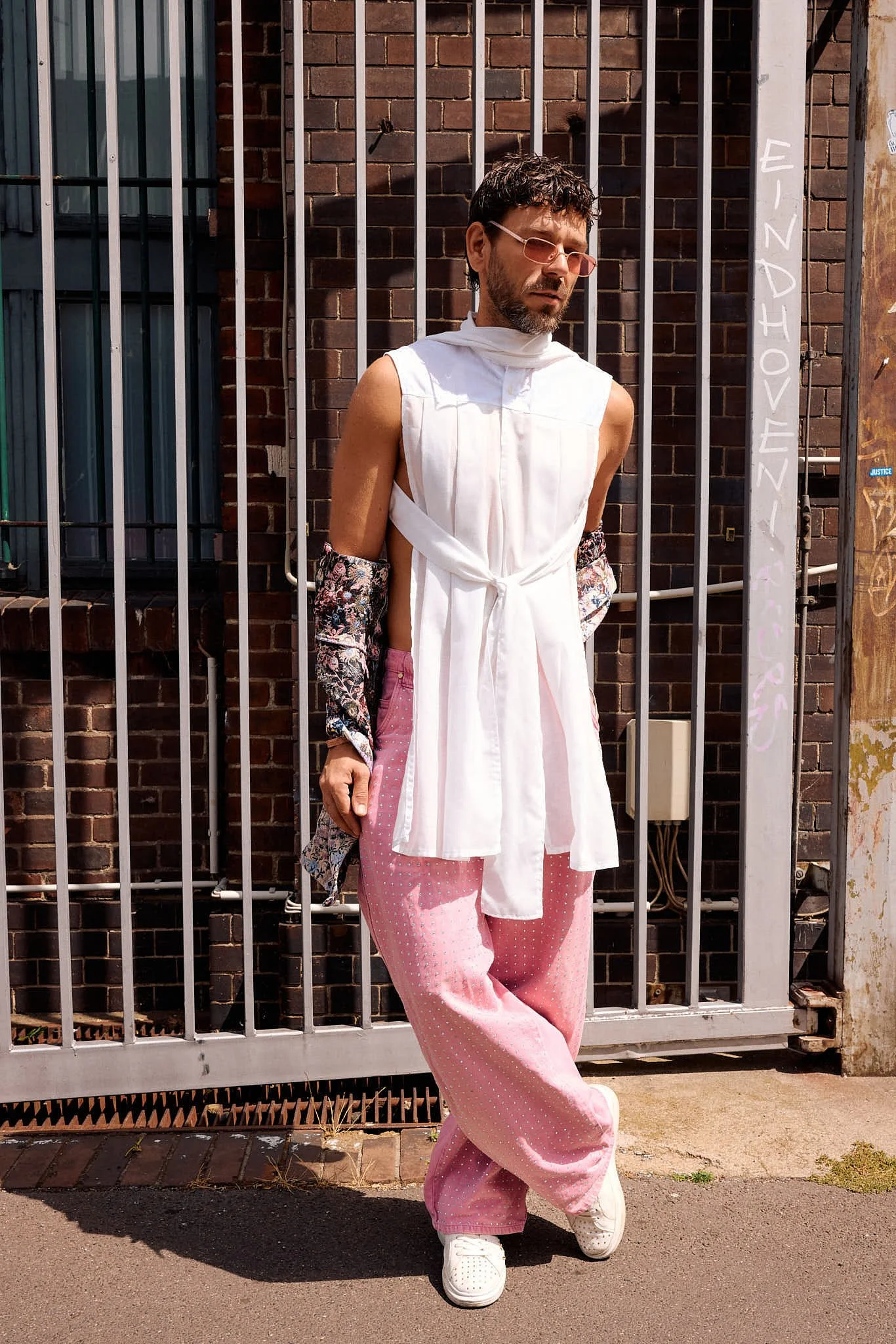
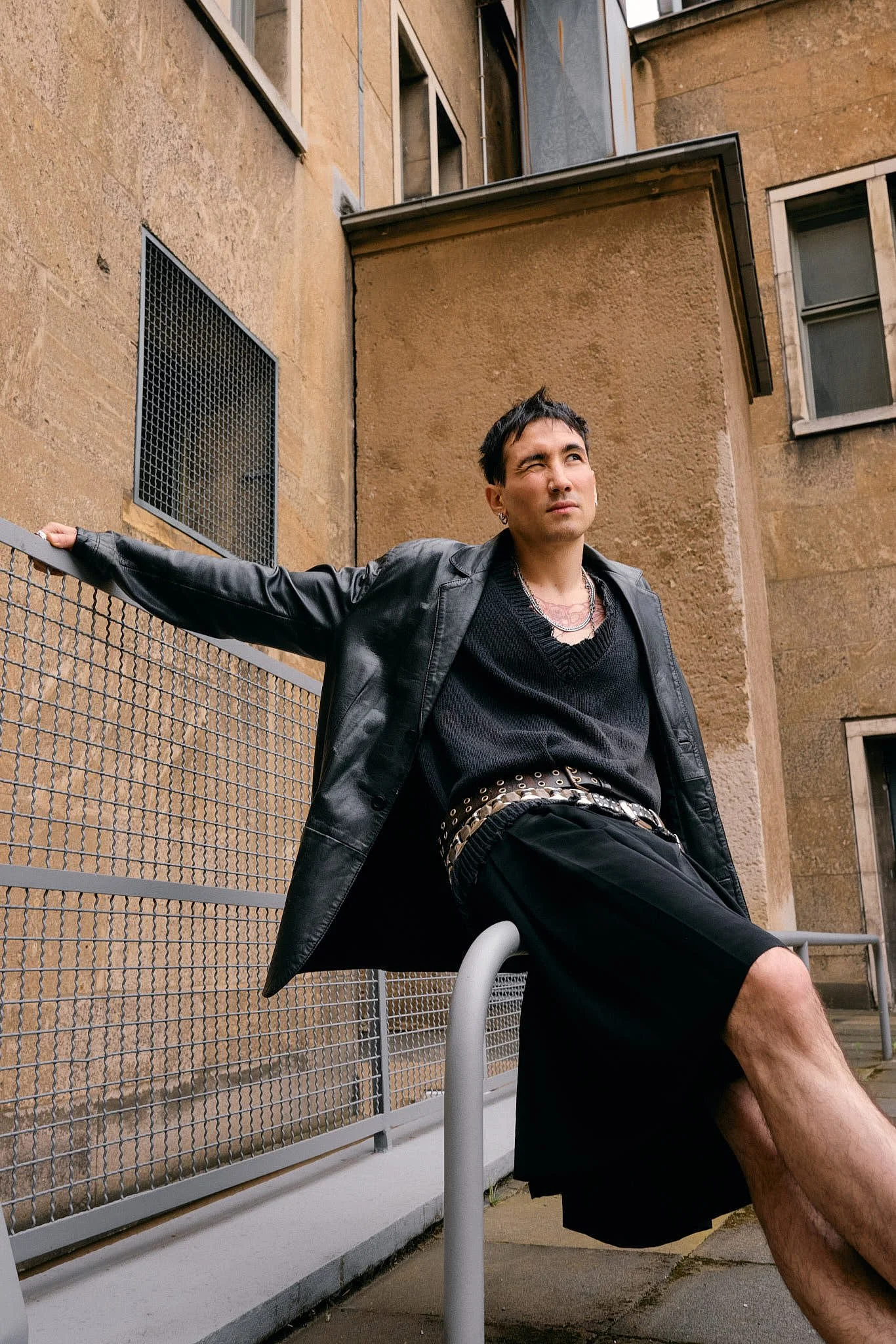
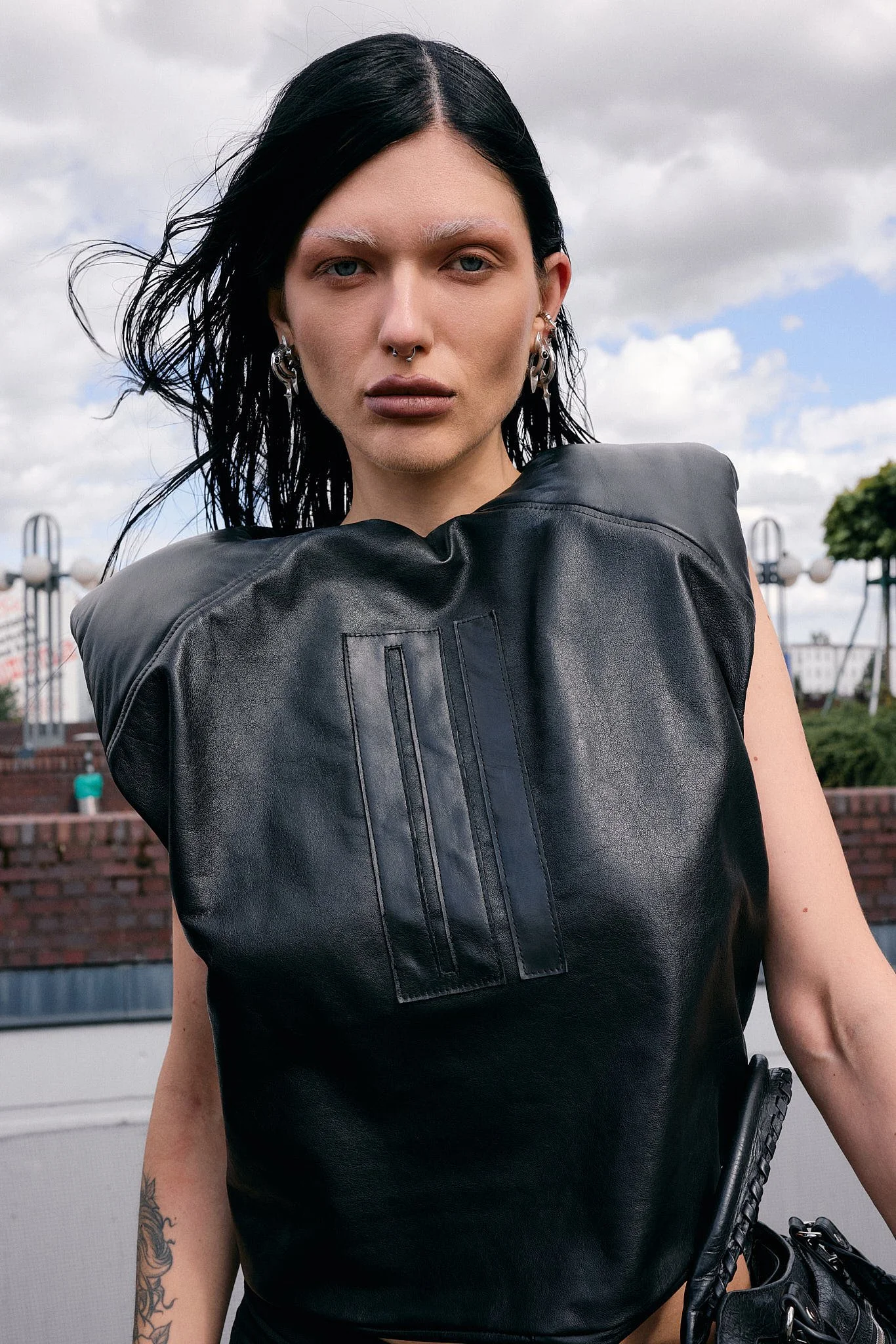
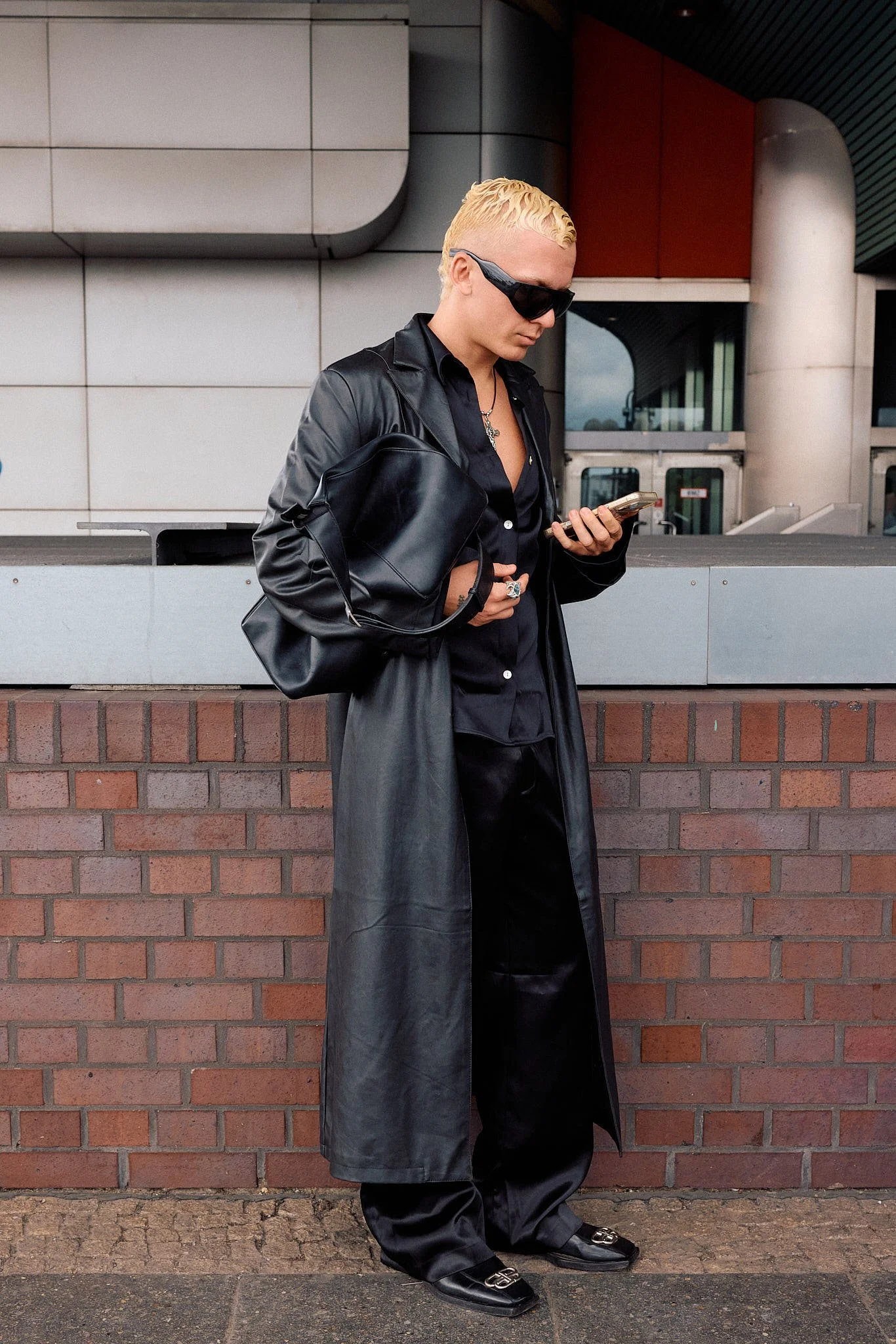
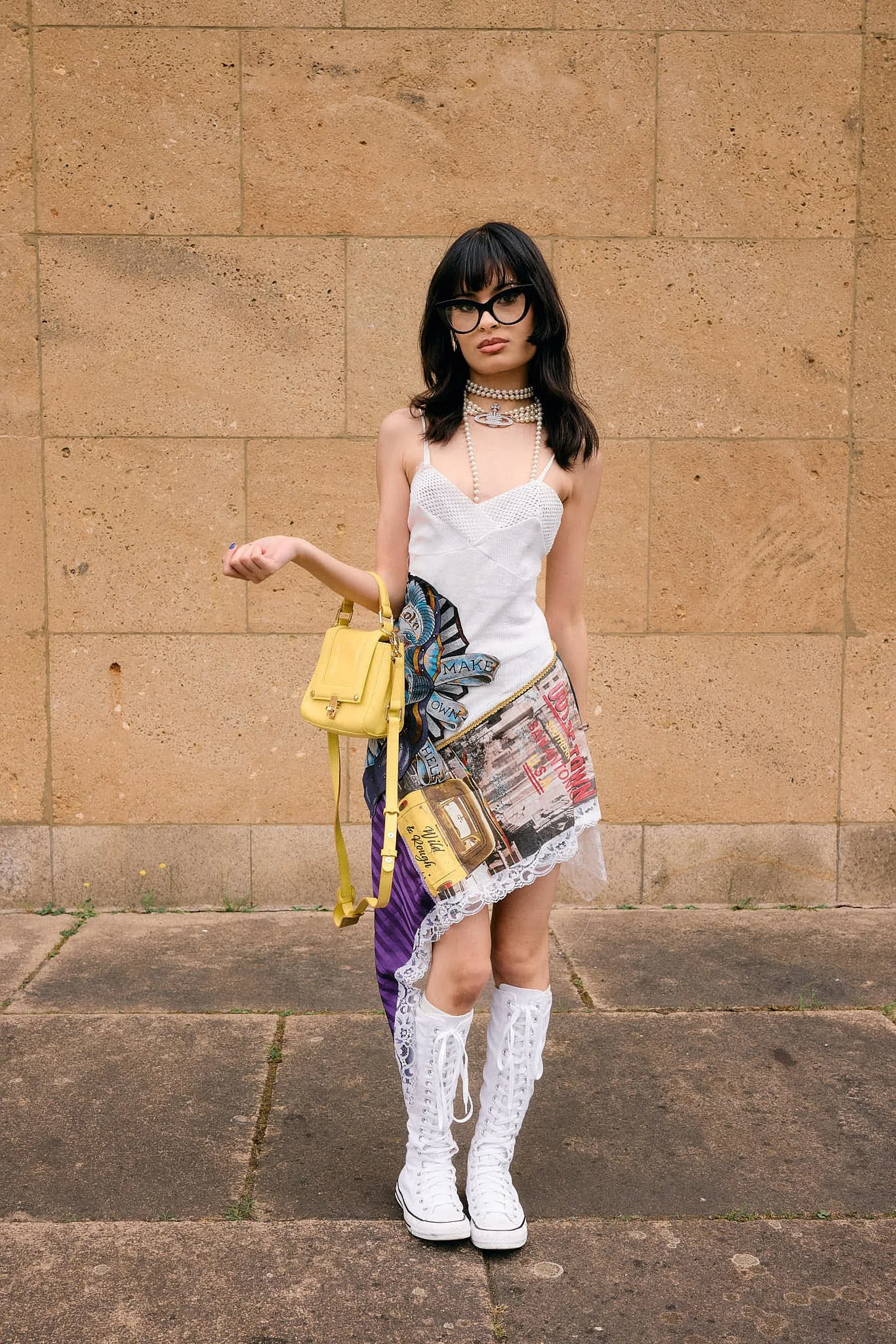
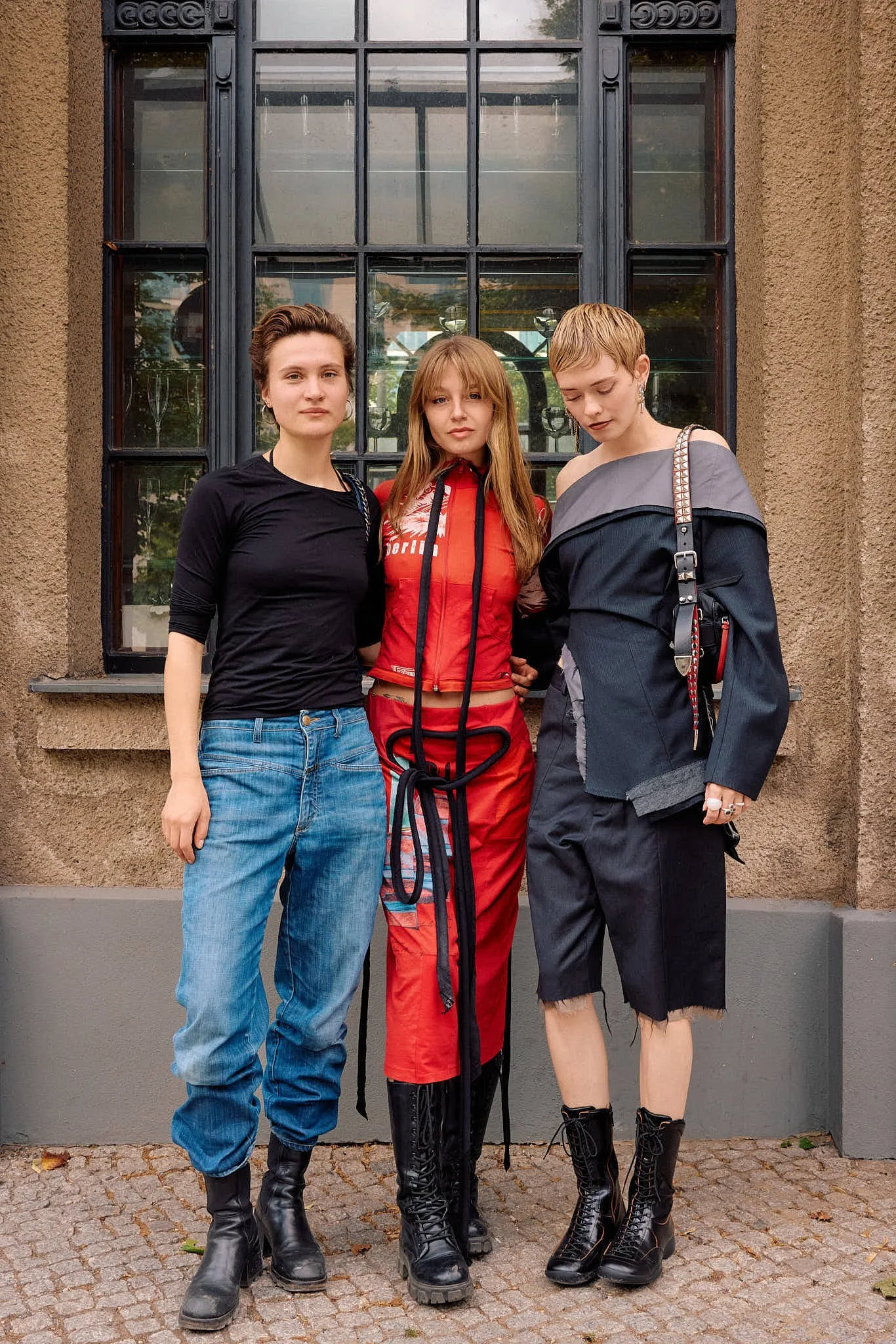
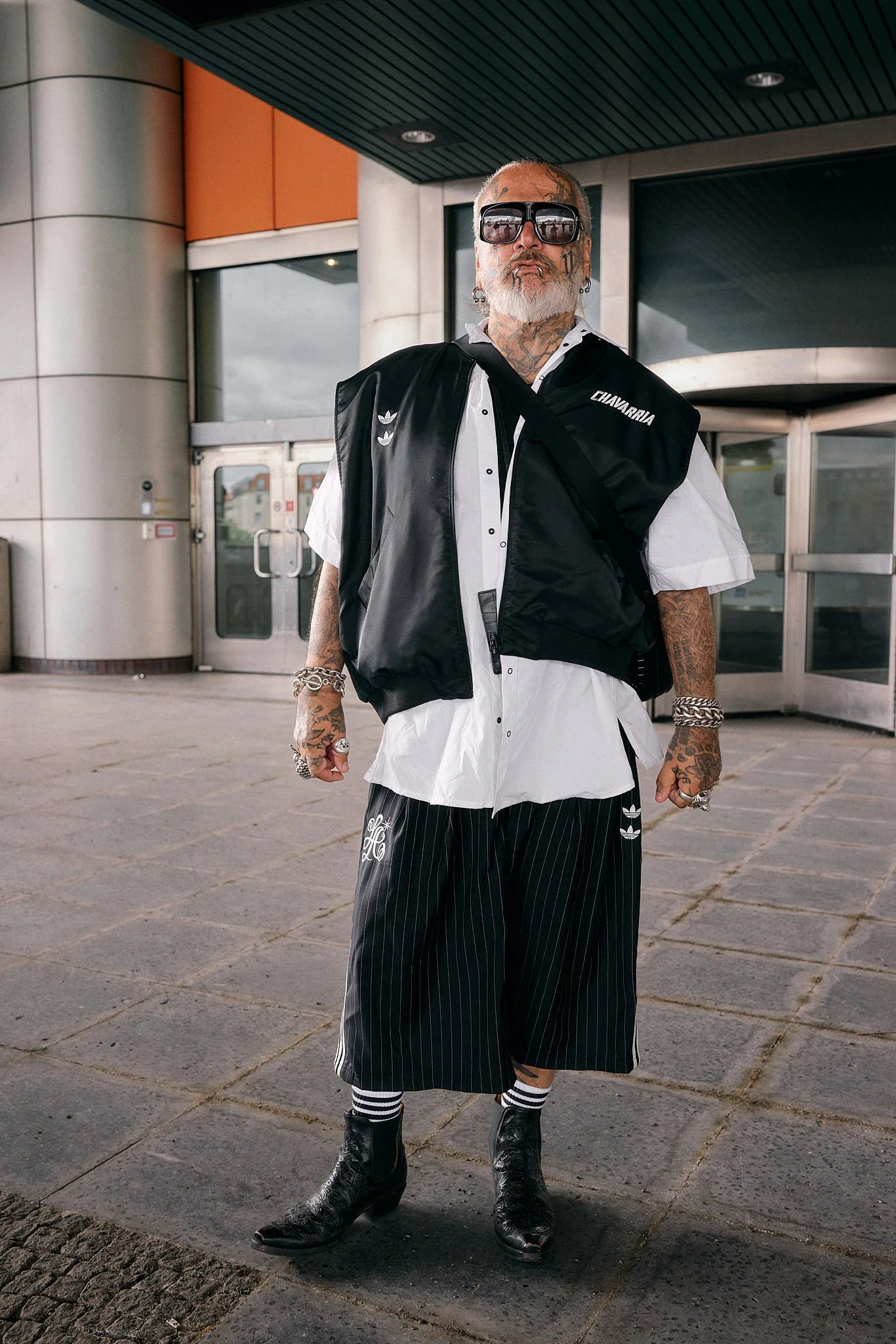
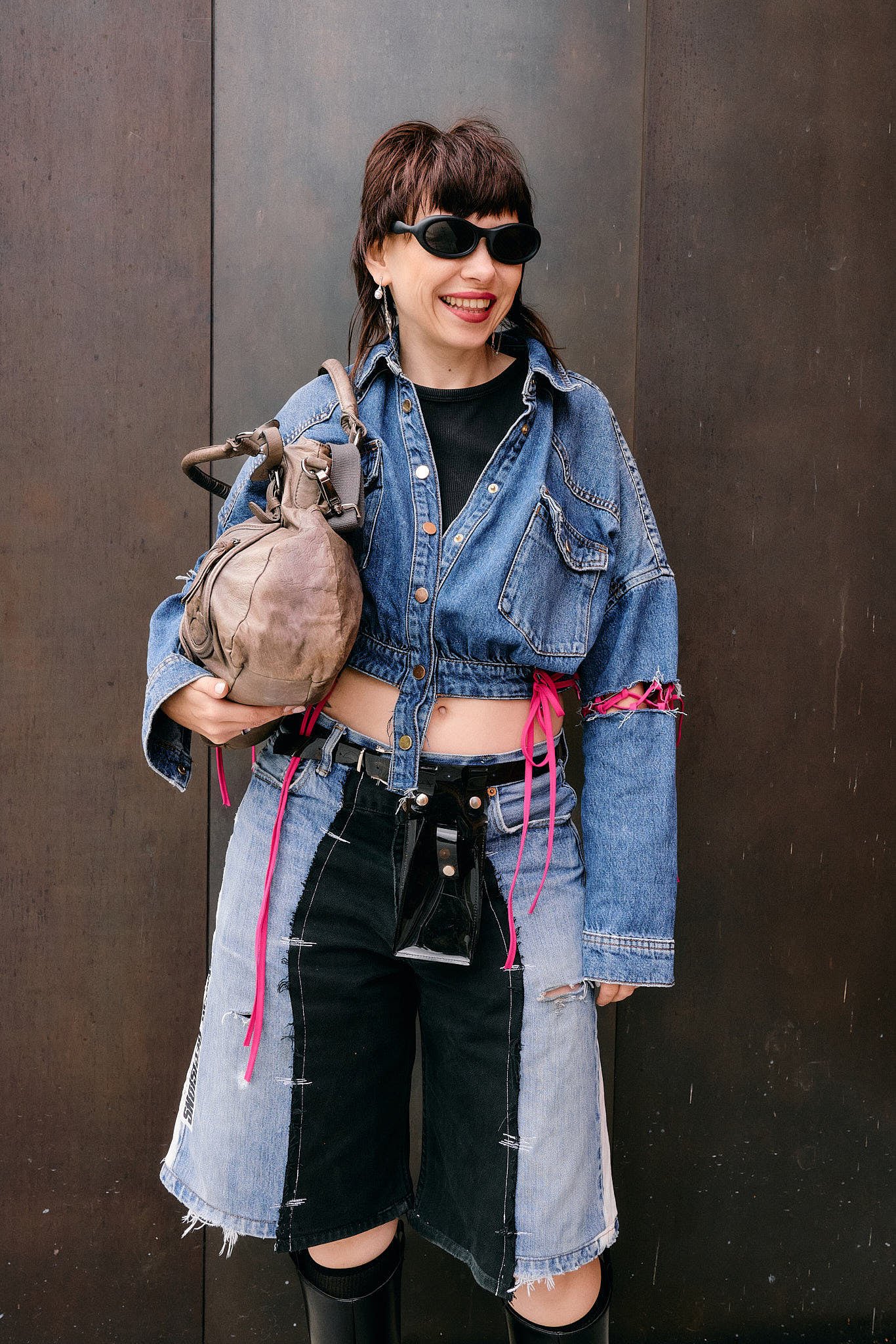
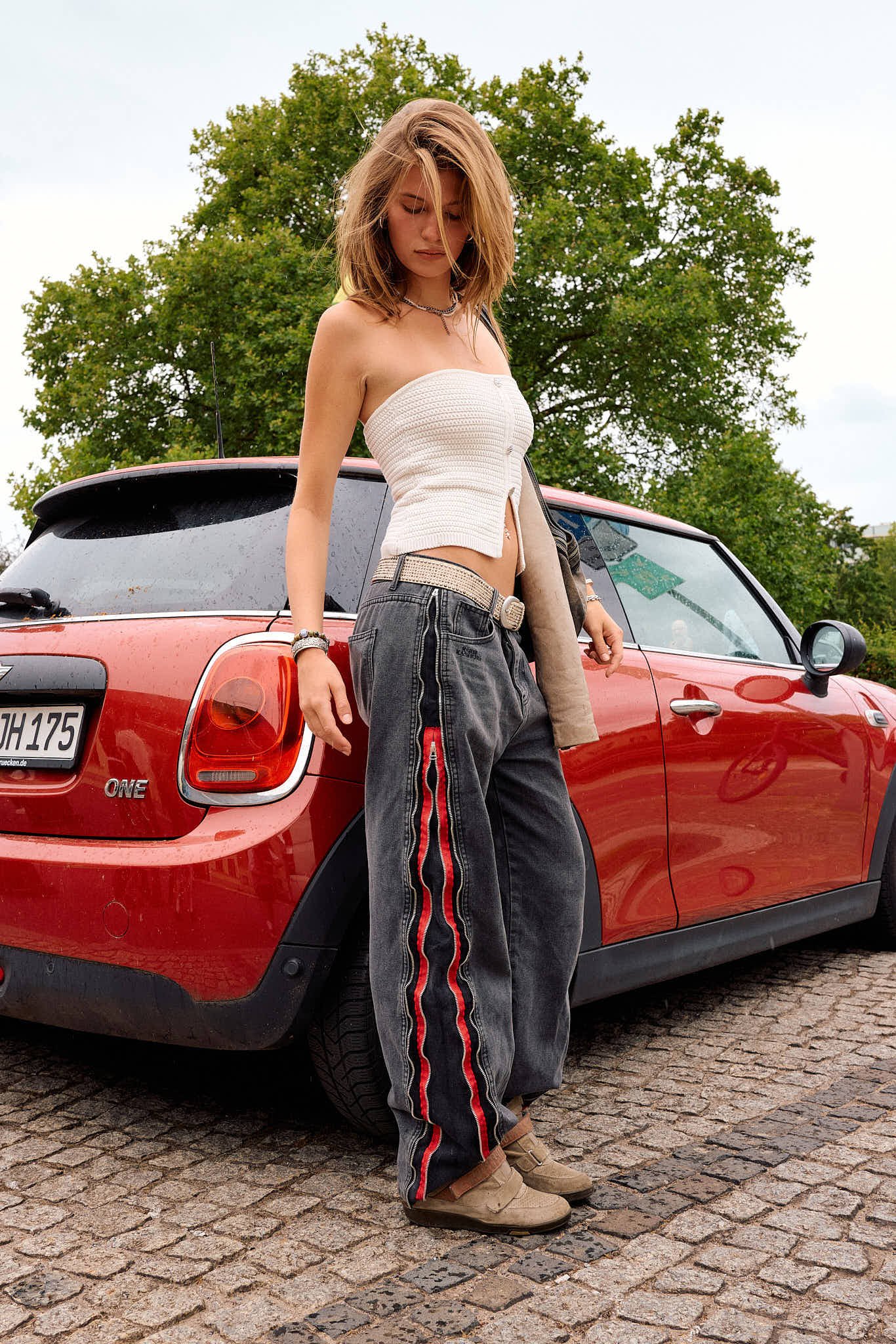
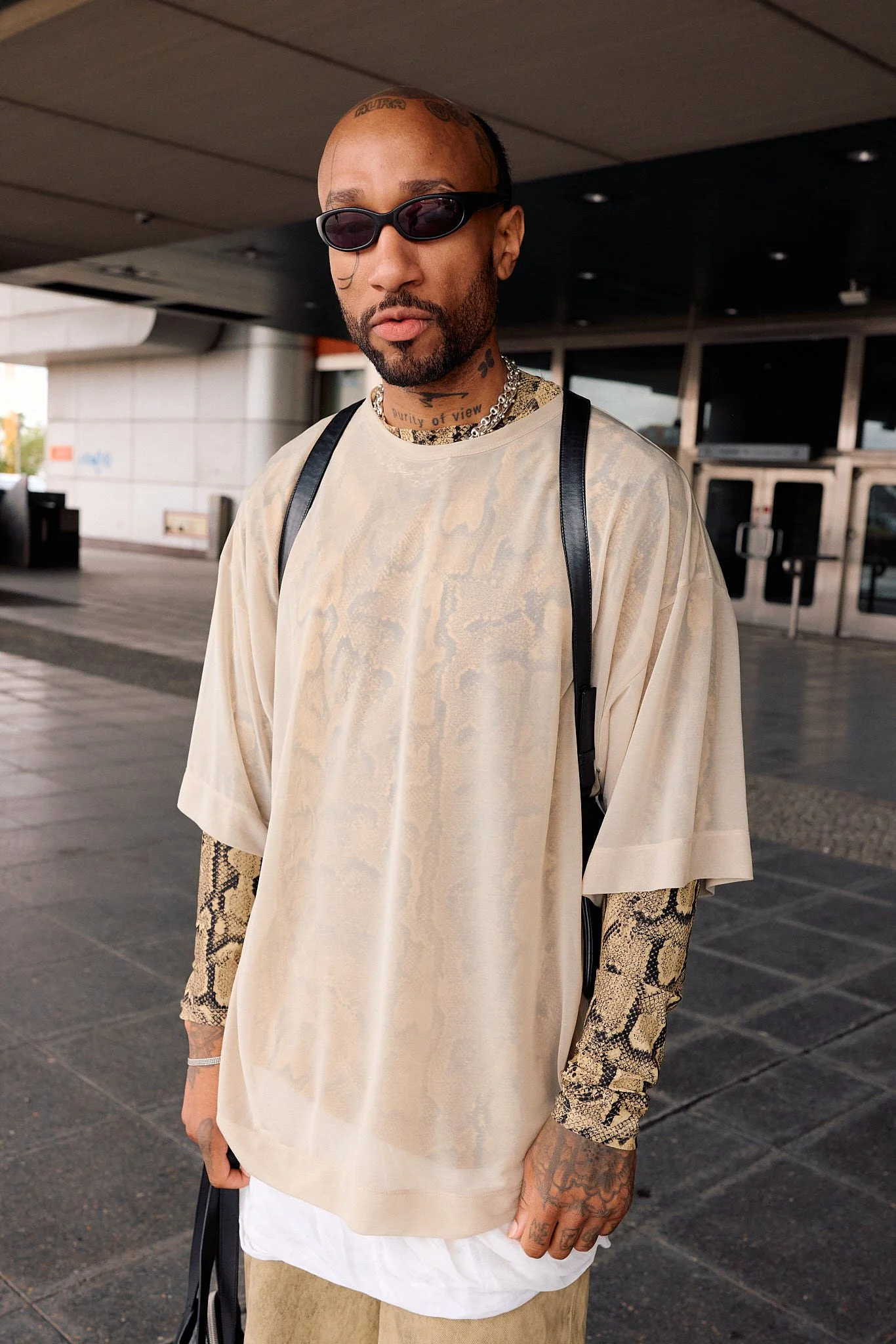
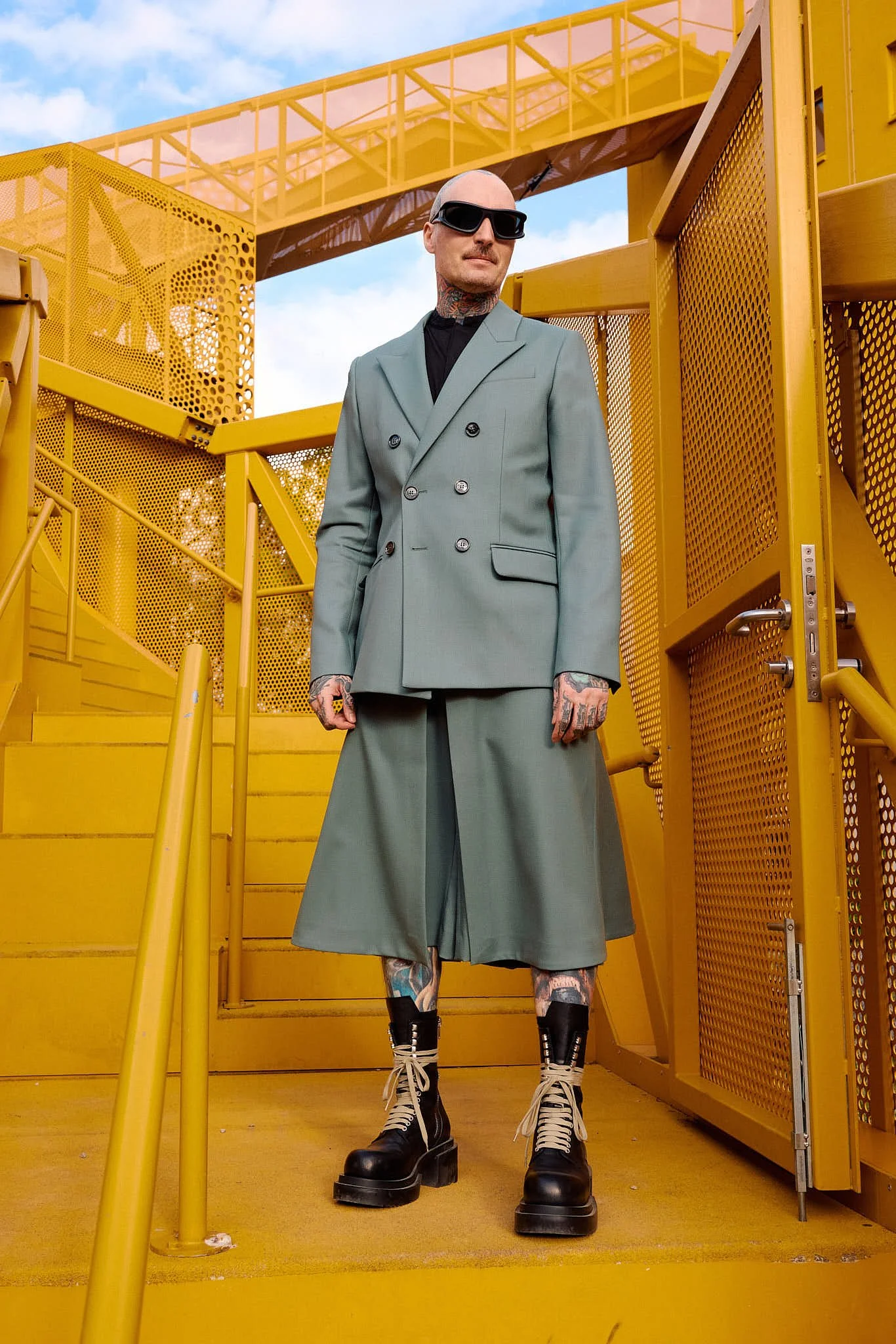
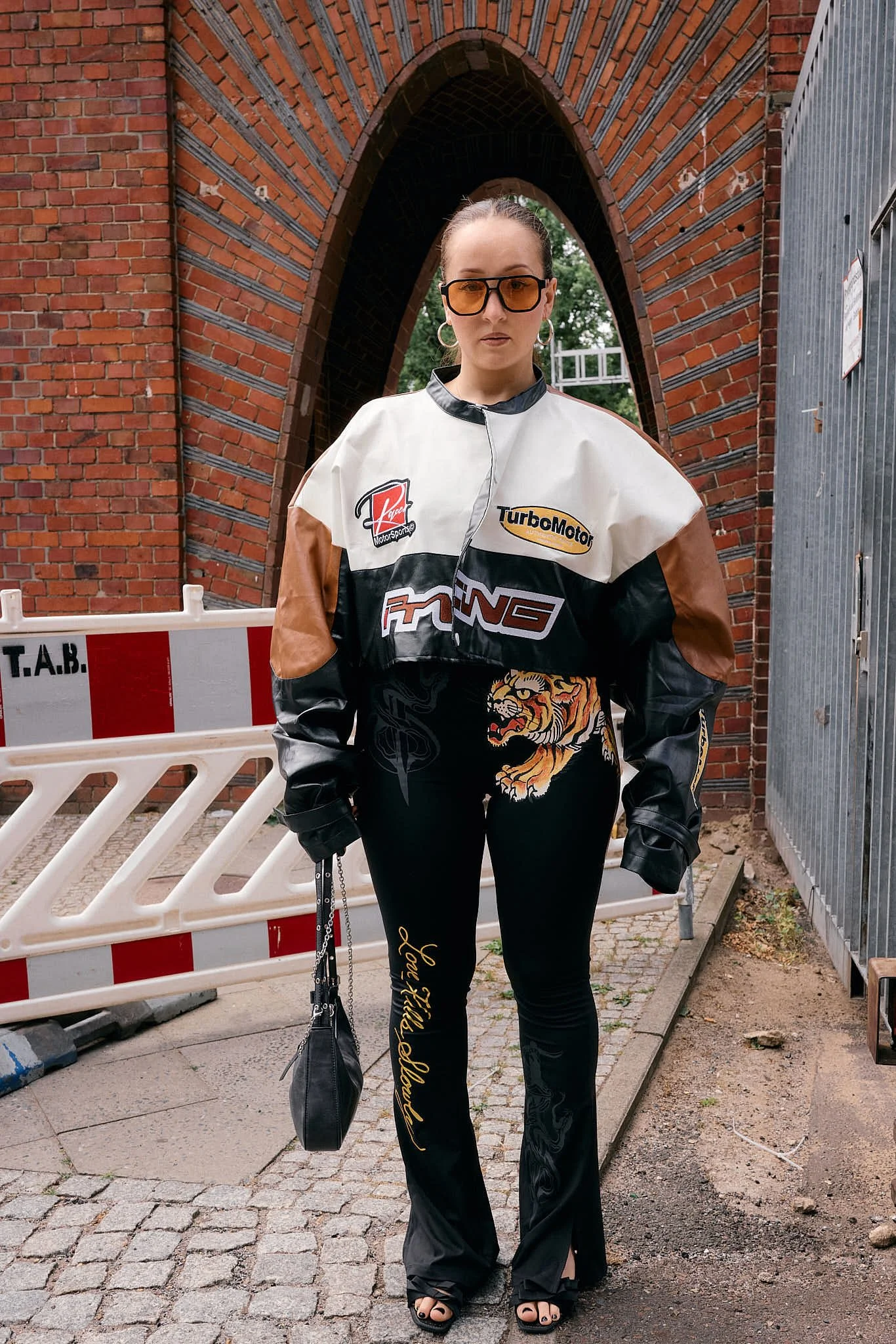
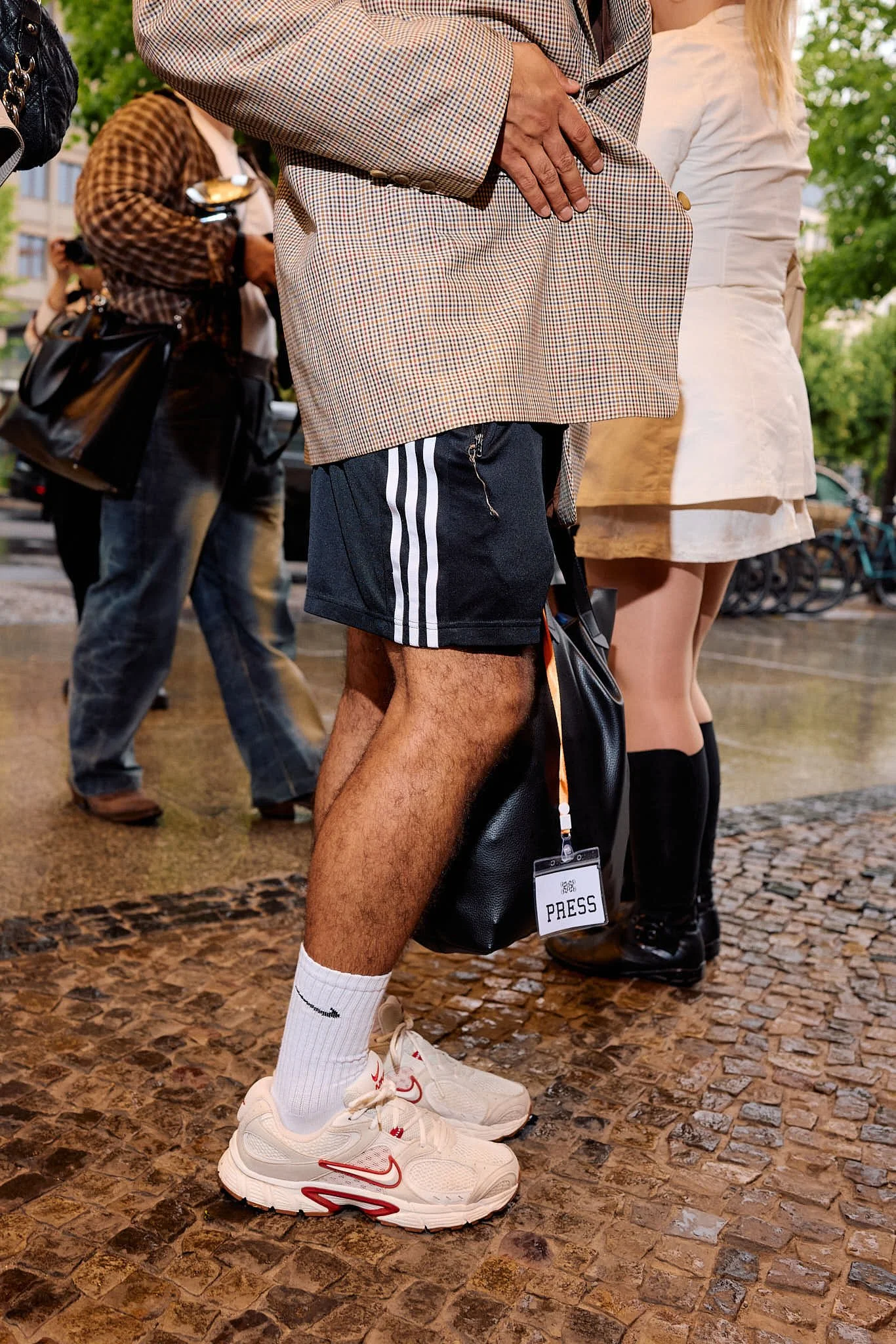
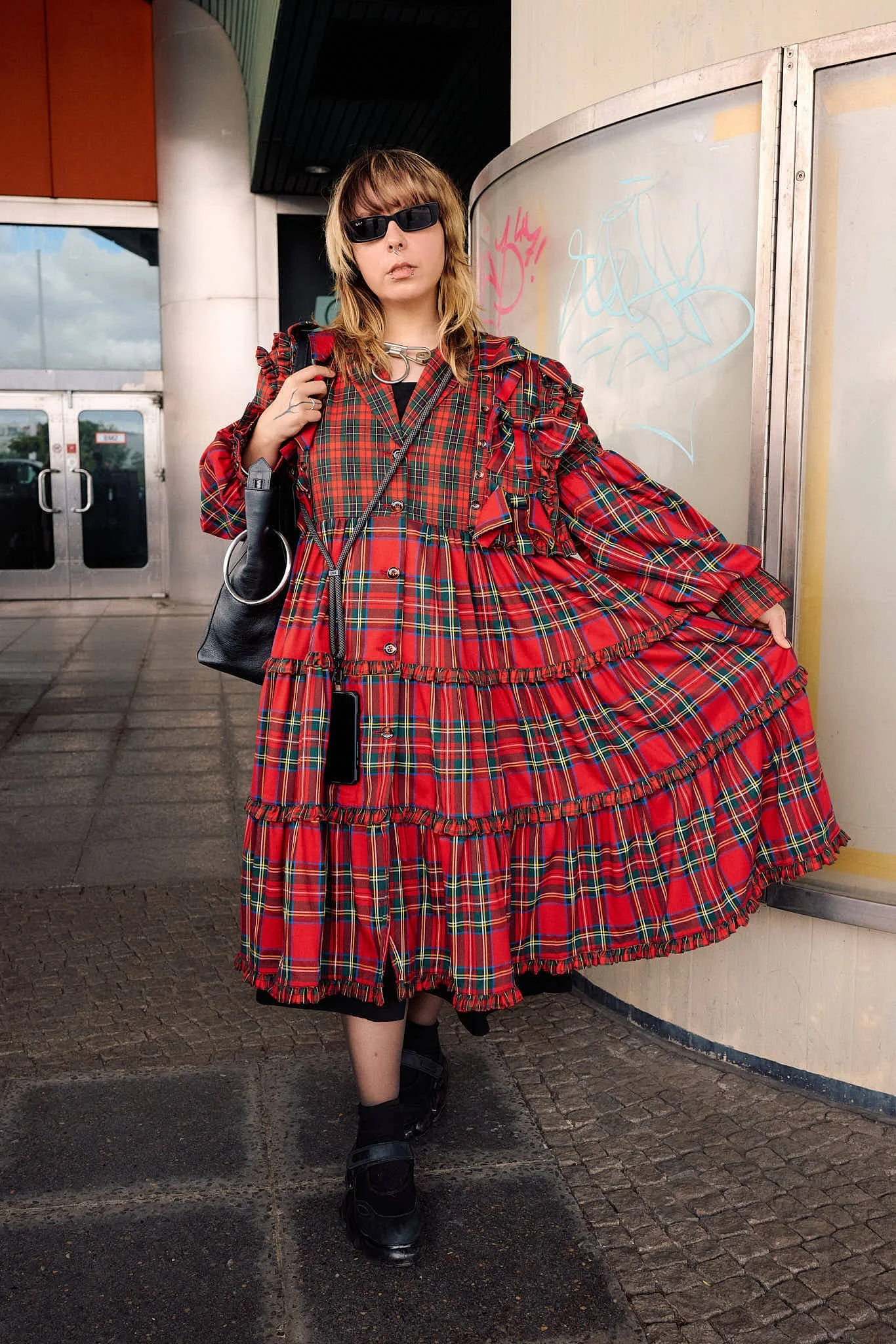
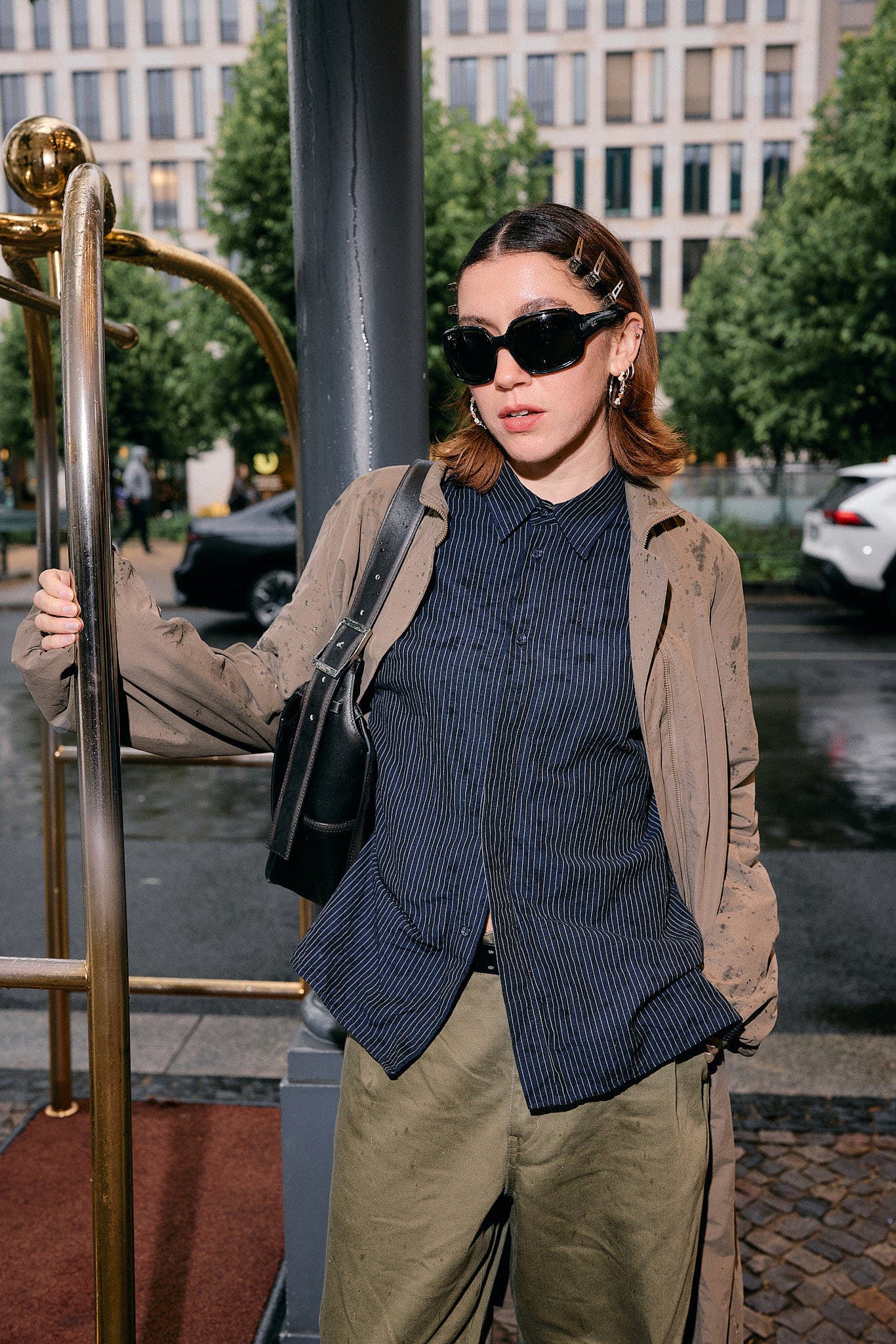
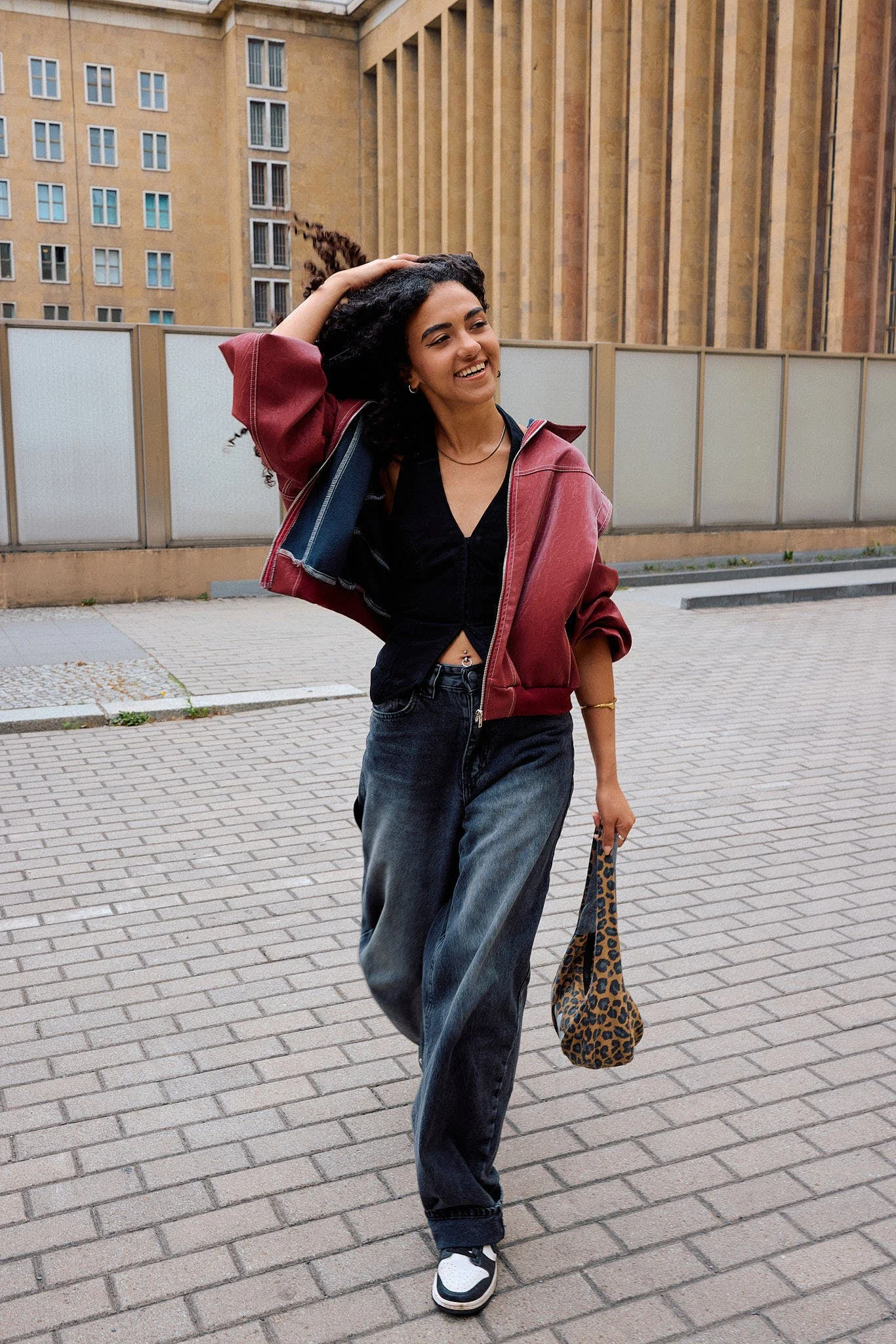
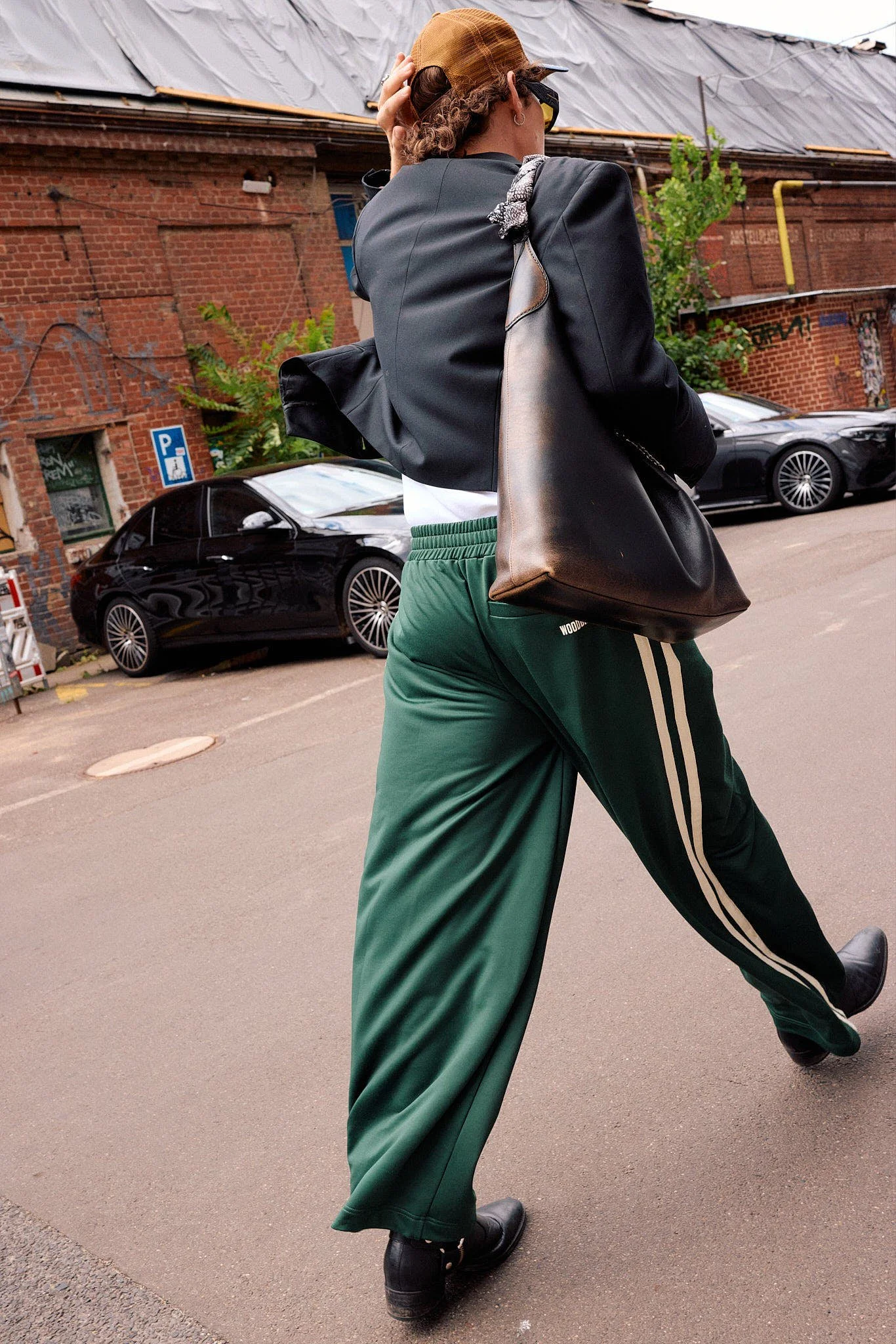
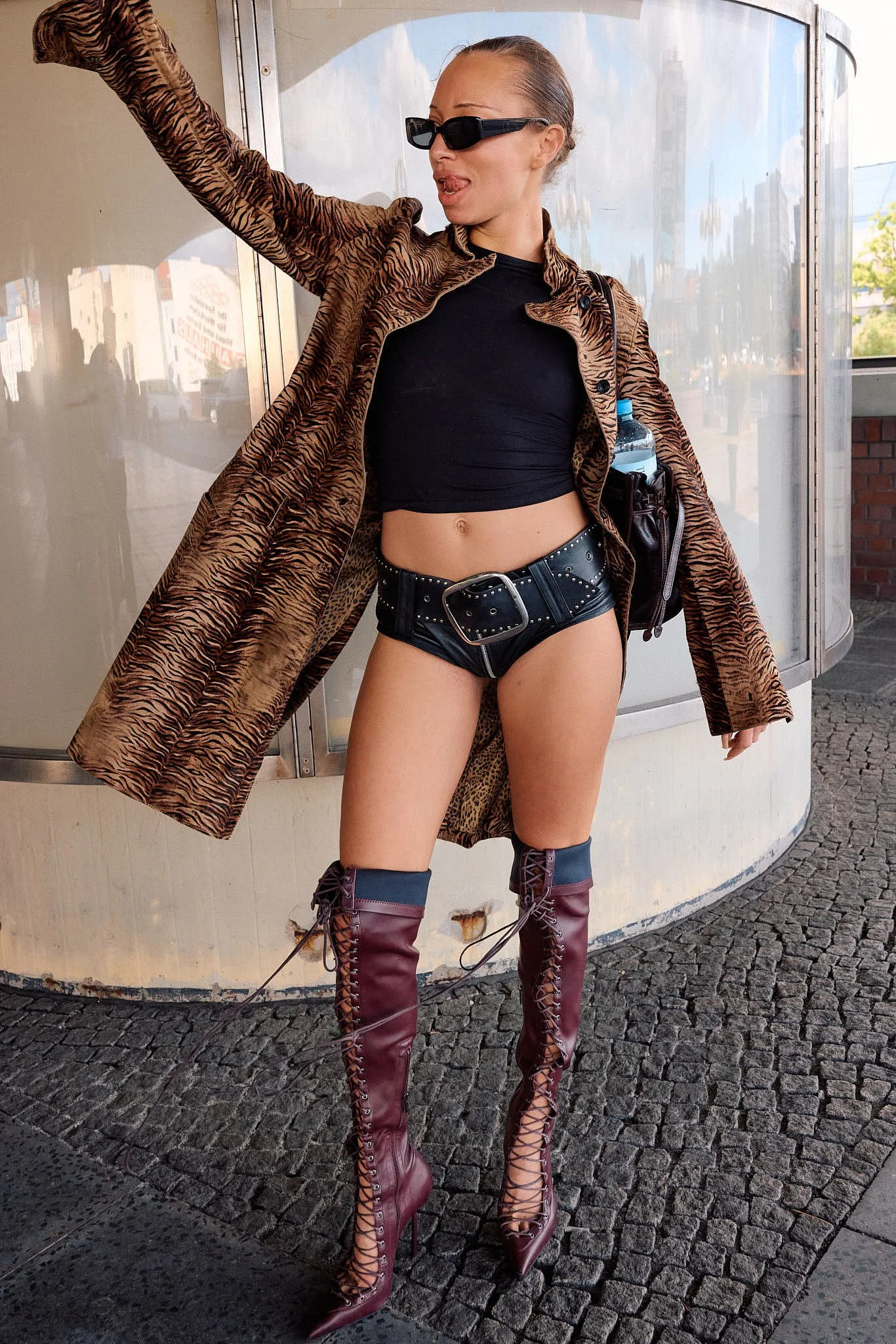
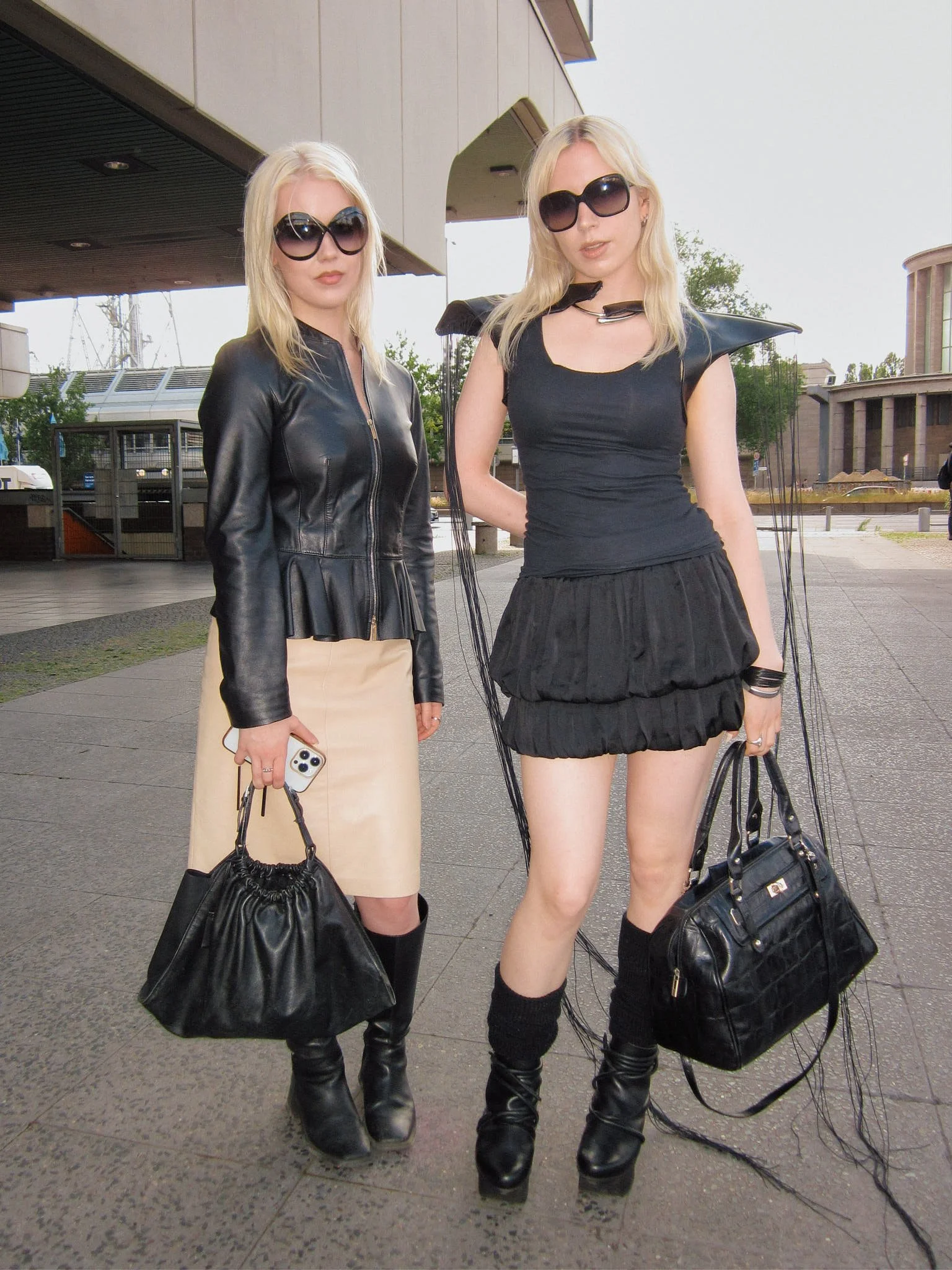
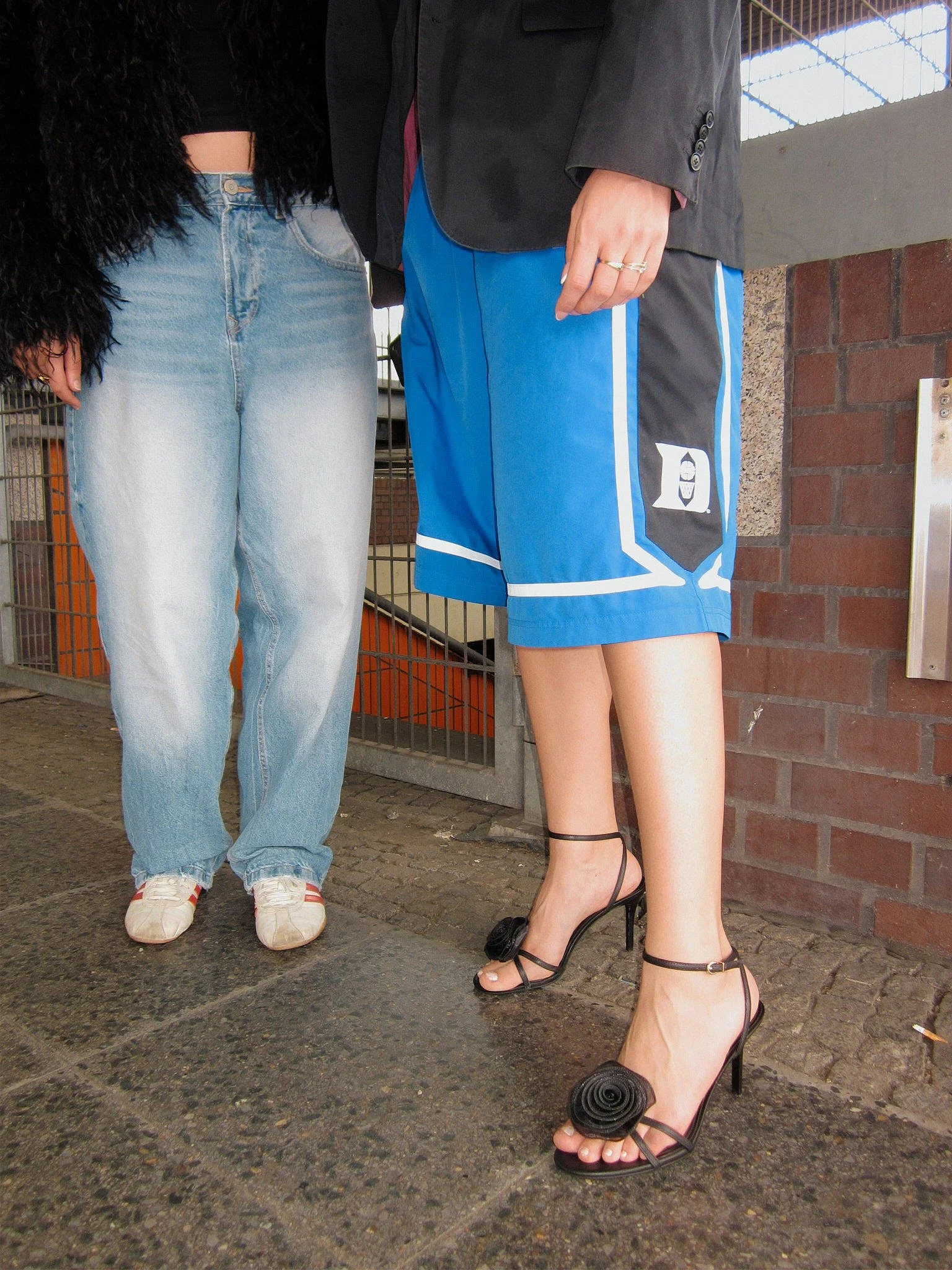
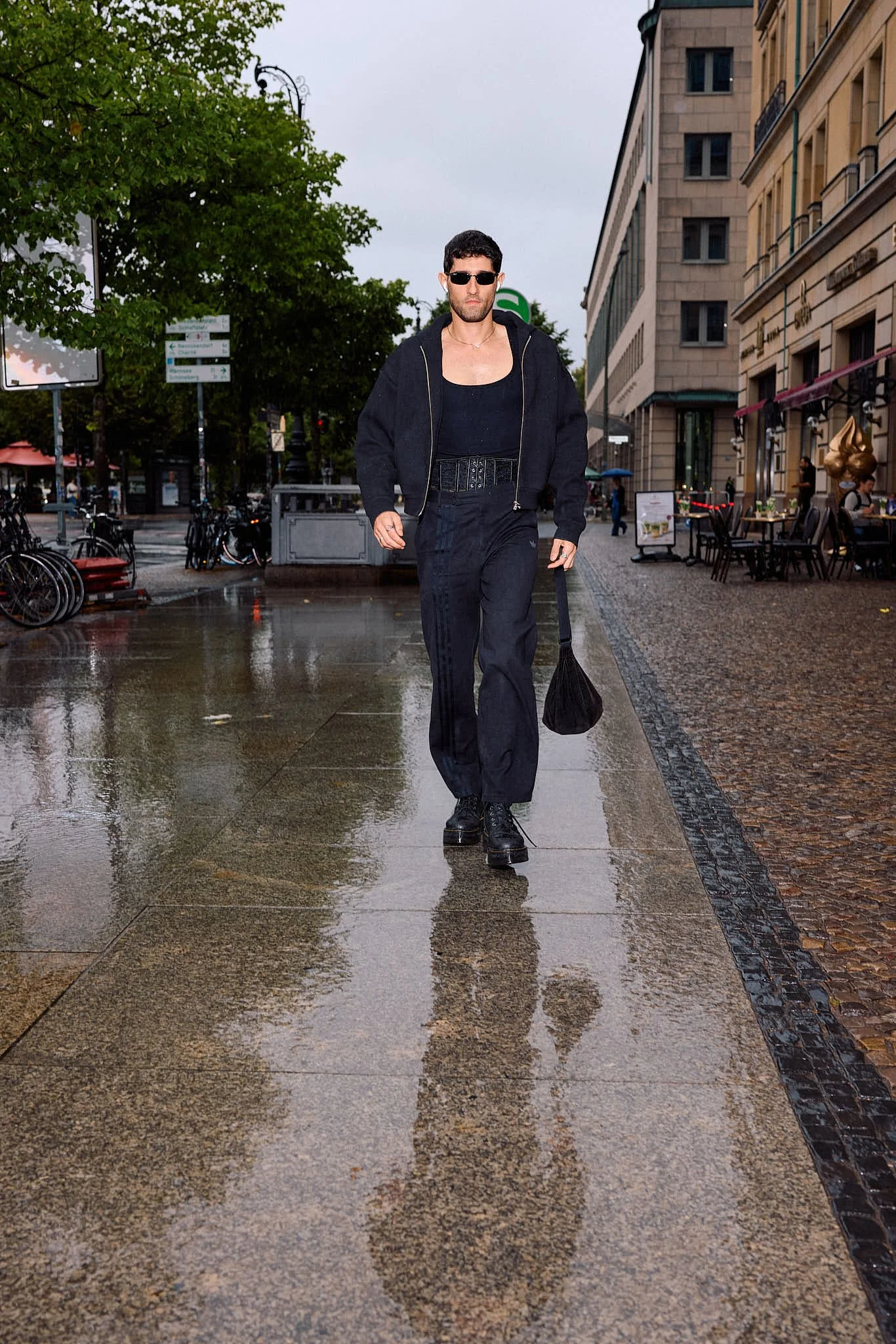
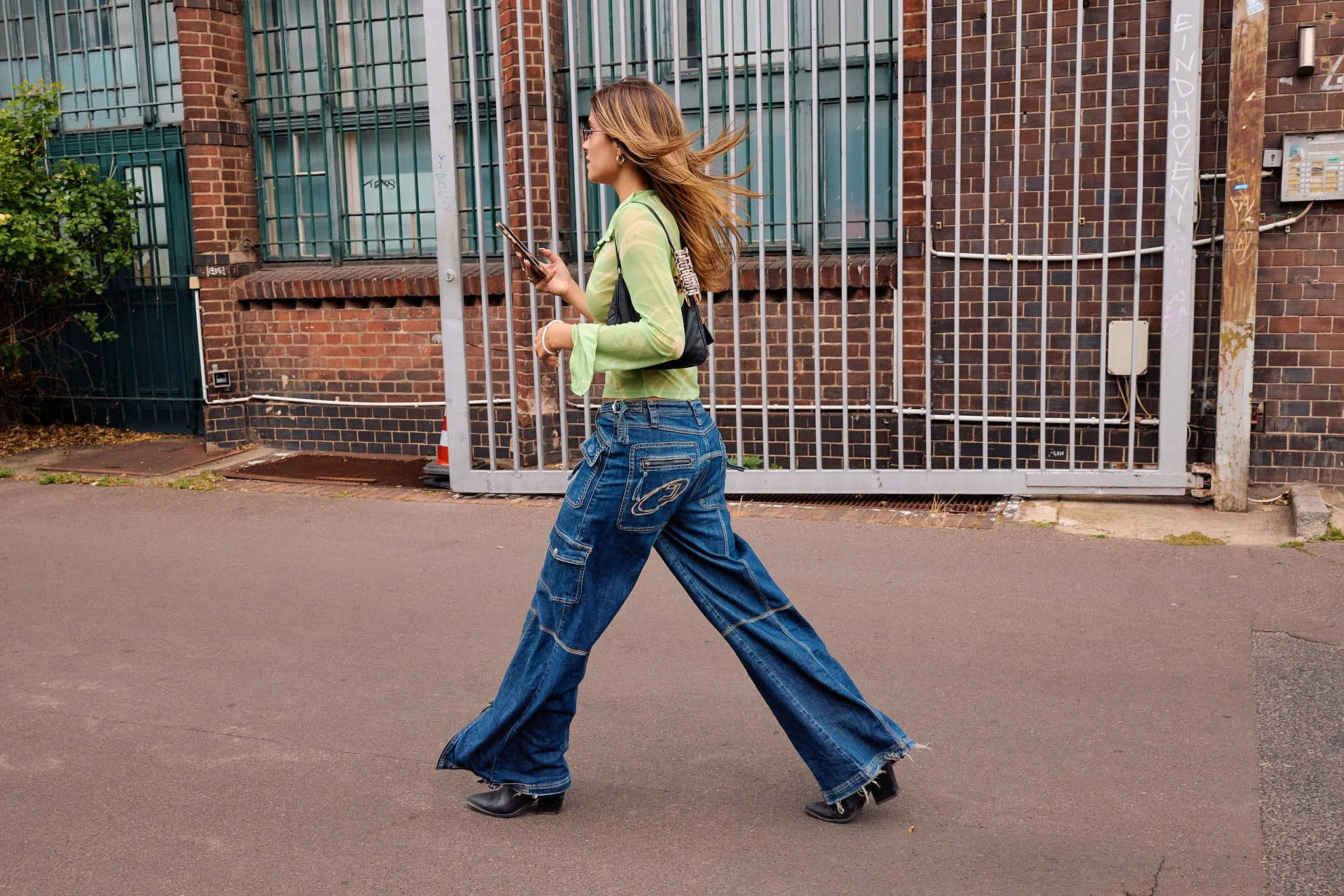
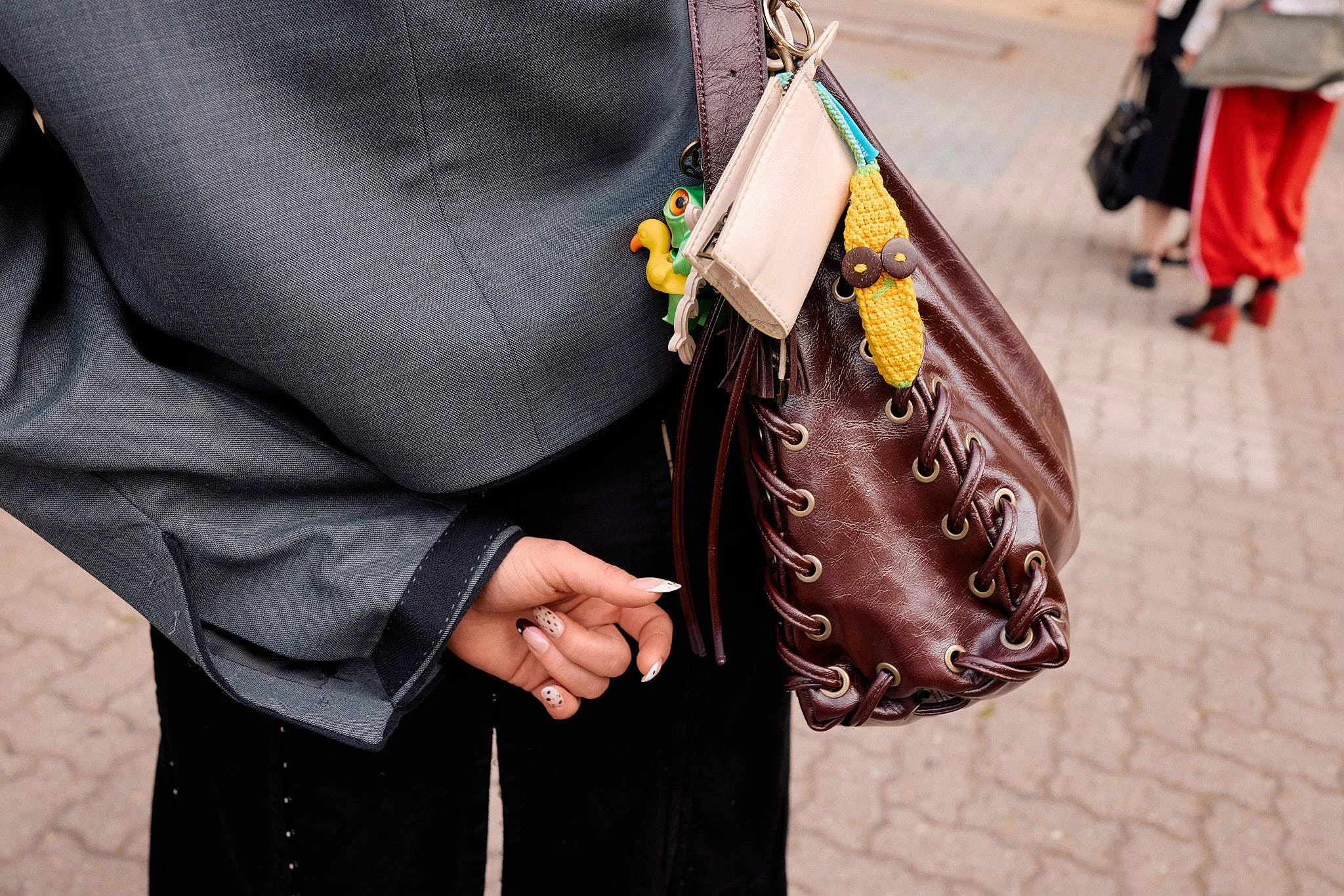
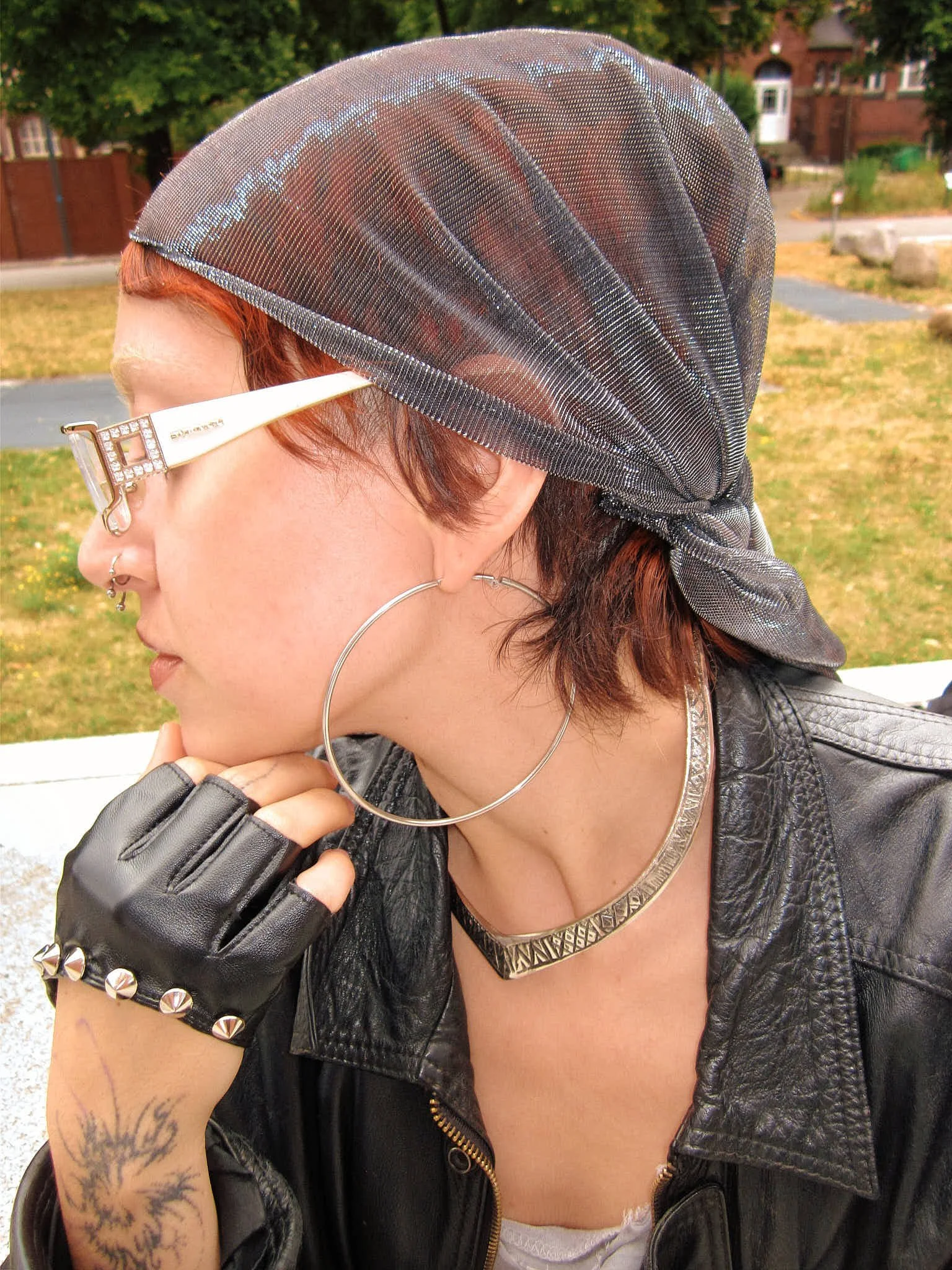
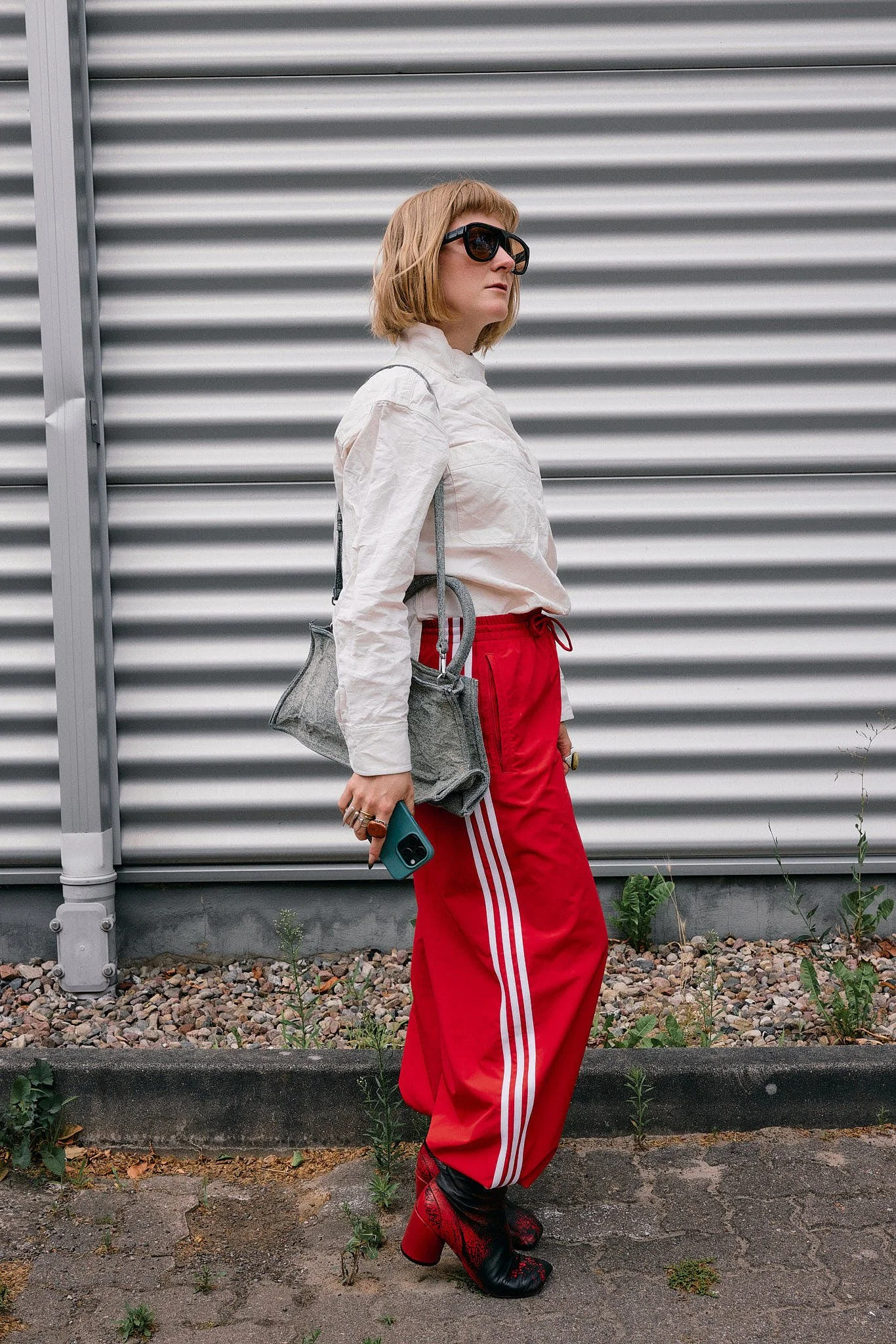
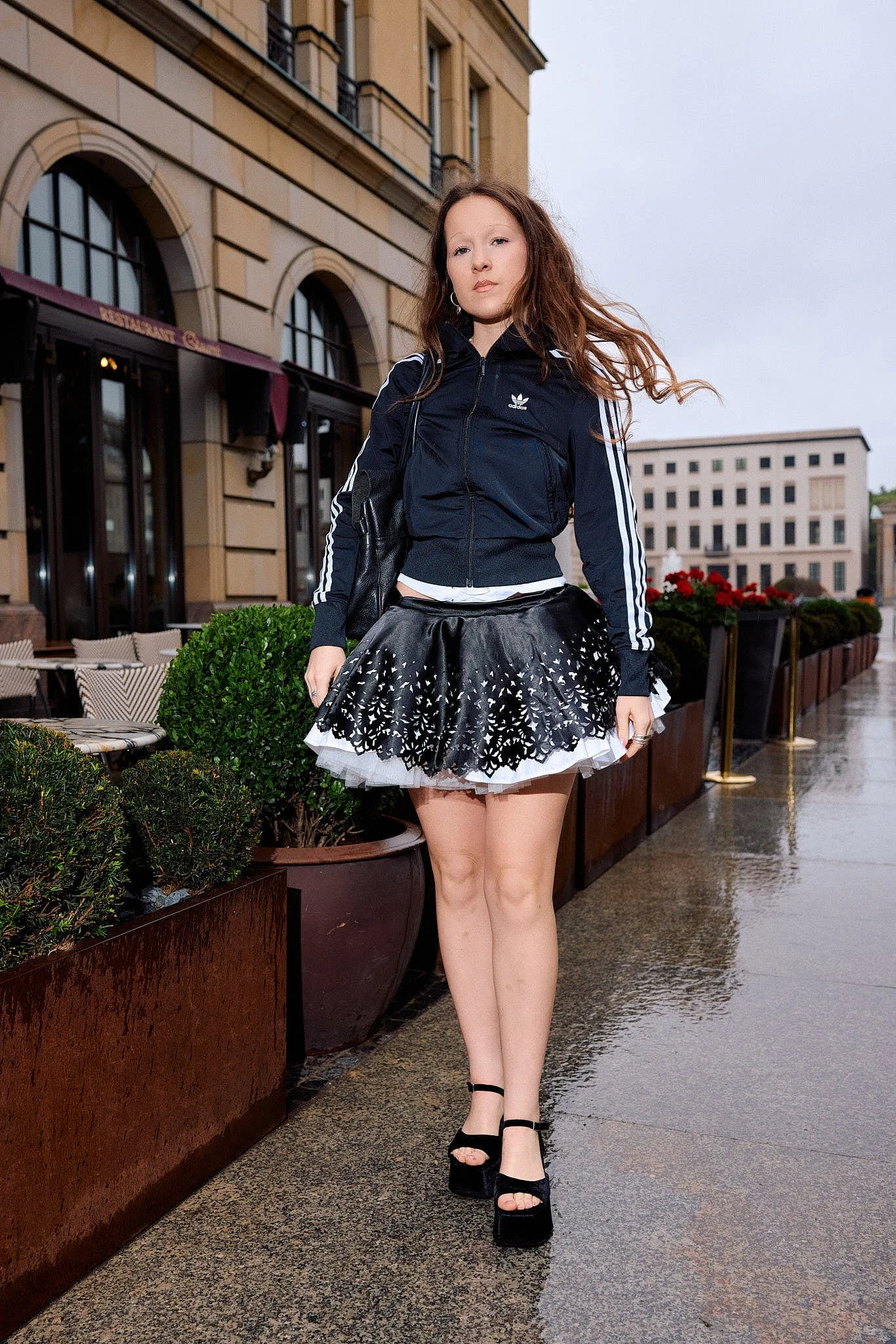
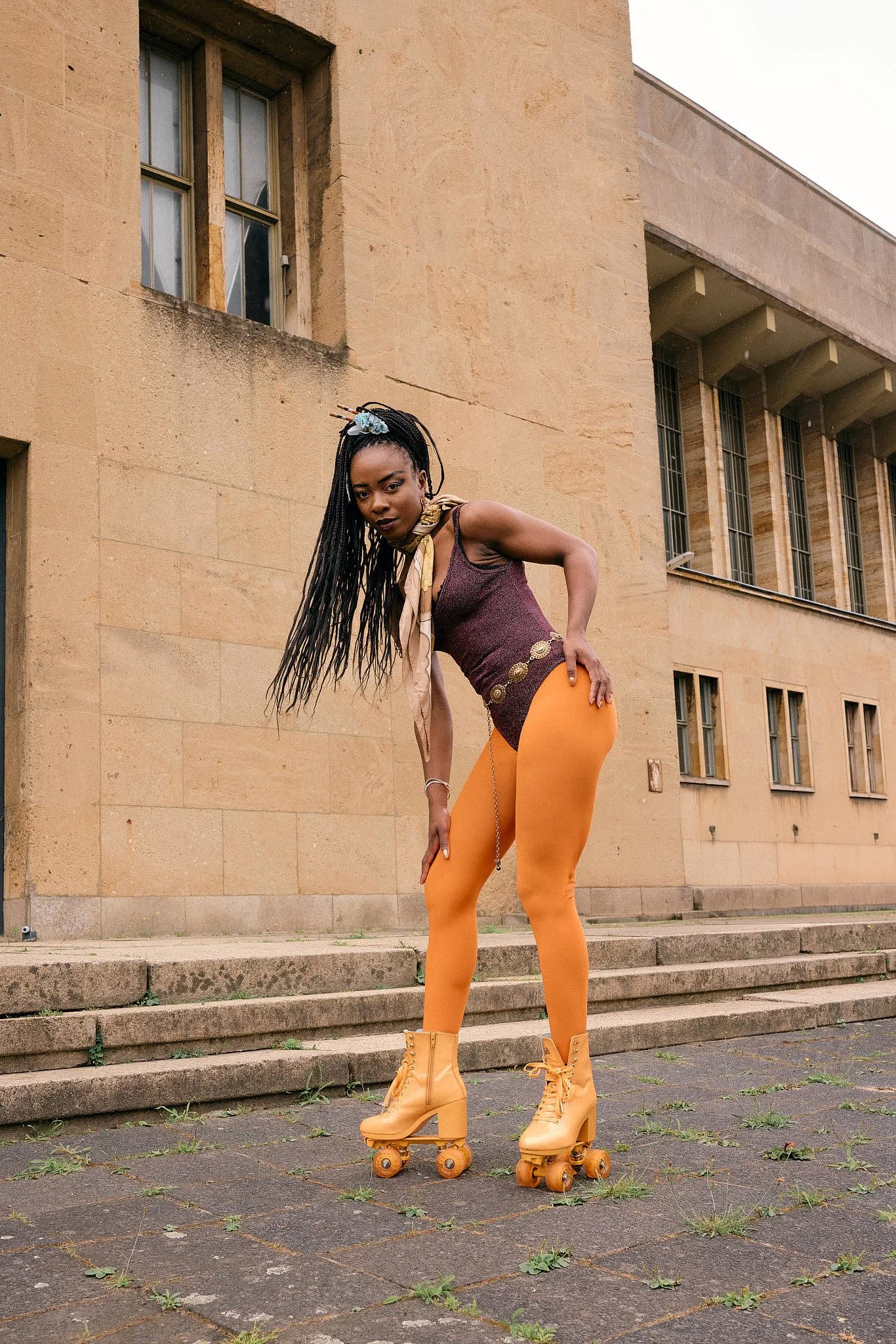
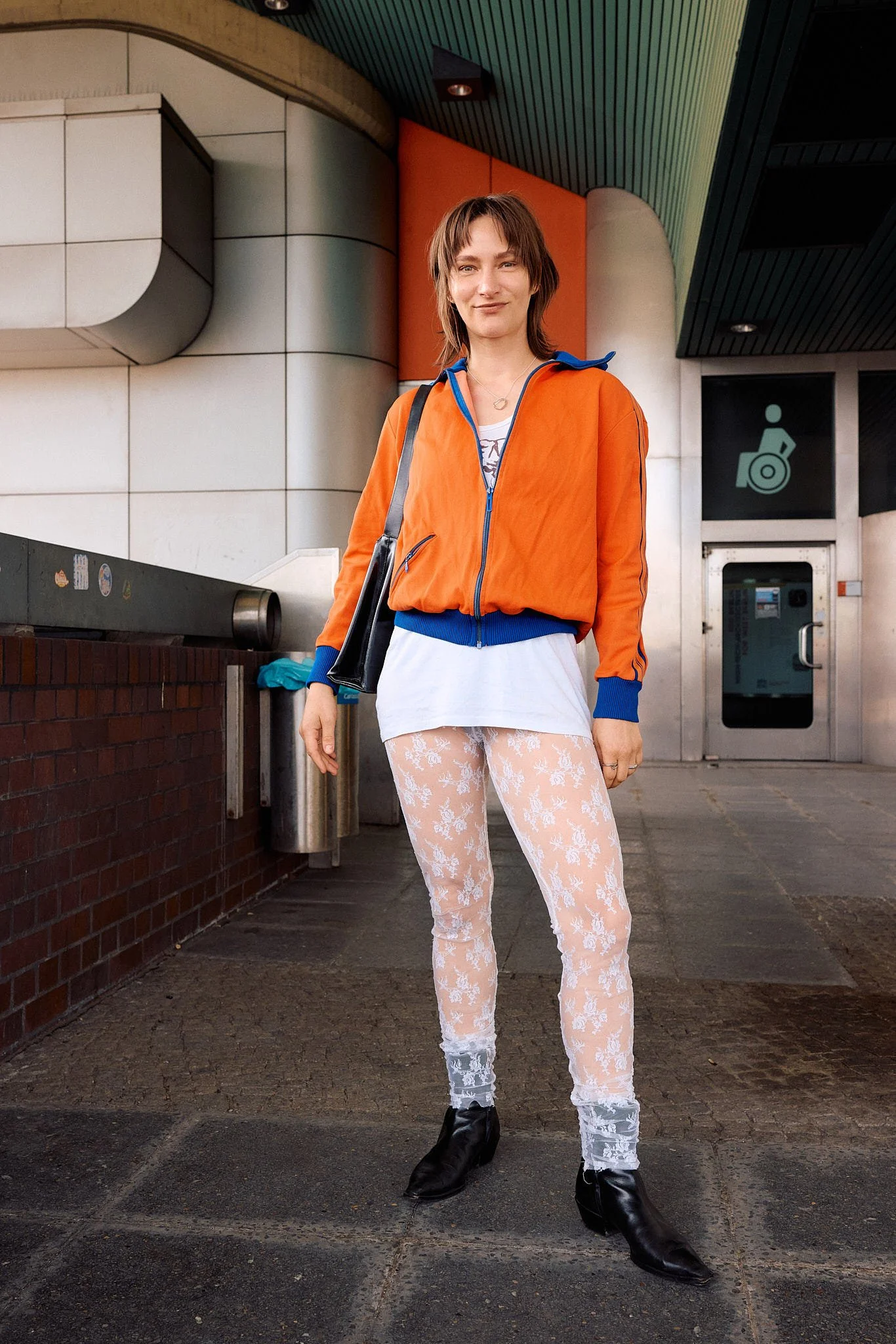
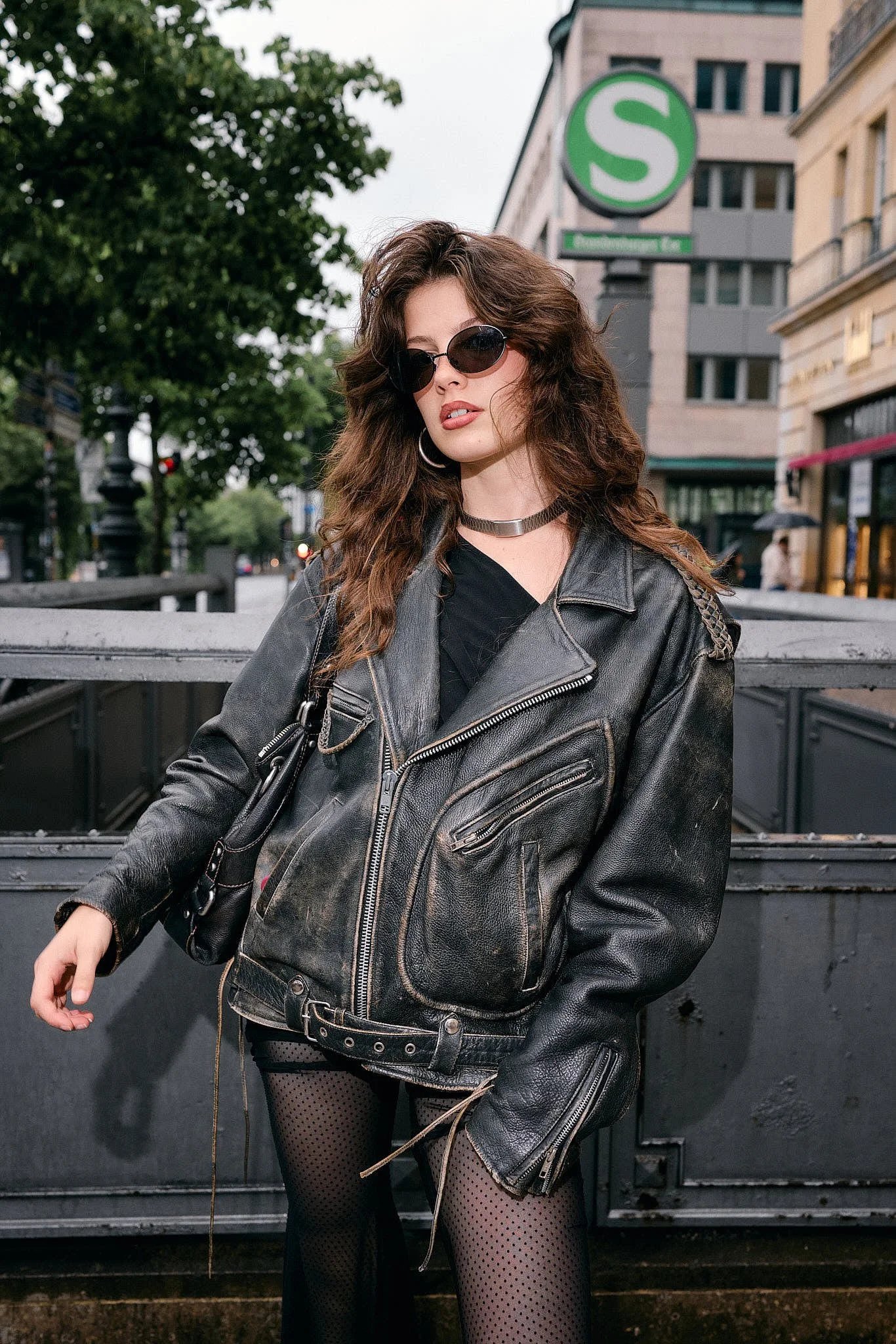
This was Pinterest's first time covering Berlin Fashion Week, where its SS27 street style, locations, and trends to spot exceeded all expectations.
For the advertising photography I create, Pinterest's “Spotted by Pinterest” series has returned for the last three seasons, including my last trend-spotting at fall/winter London Fashion Week for Pinterest. Each search for emerging trends still feels like a street style photography scavenger hunt.
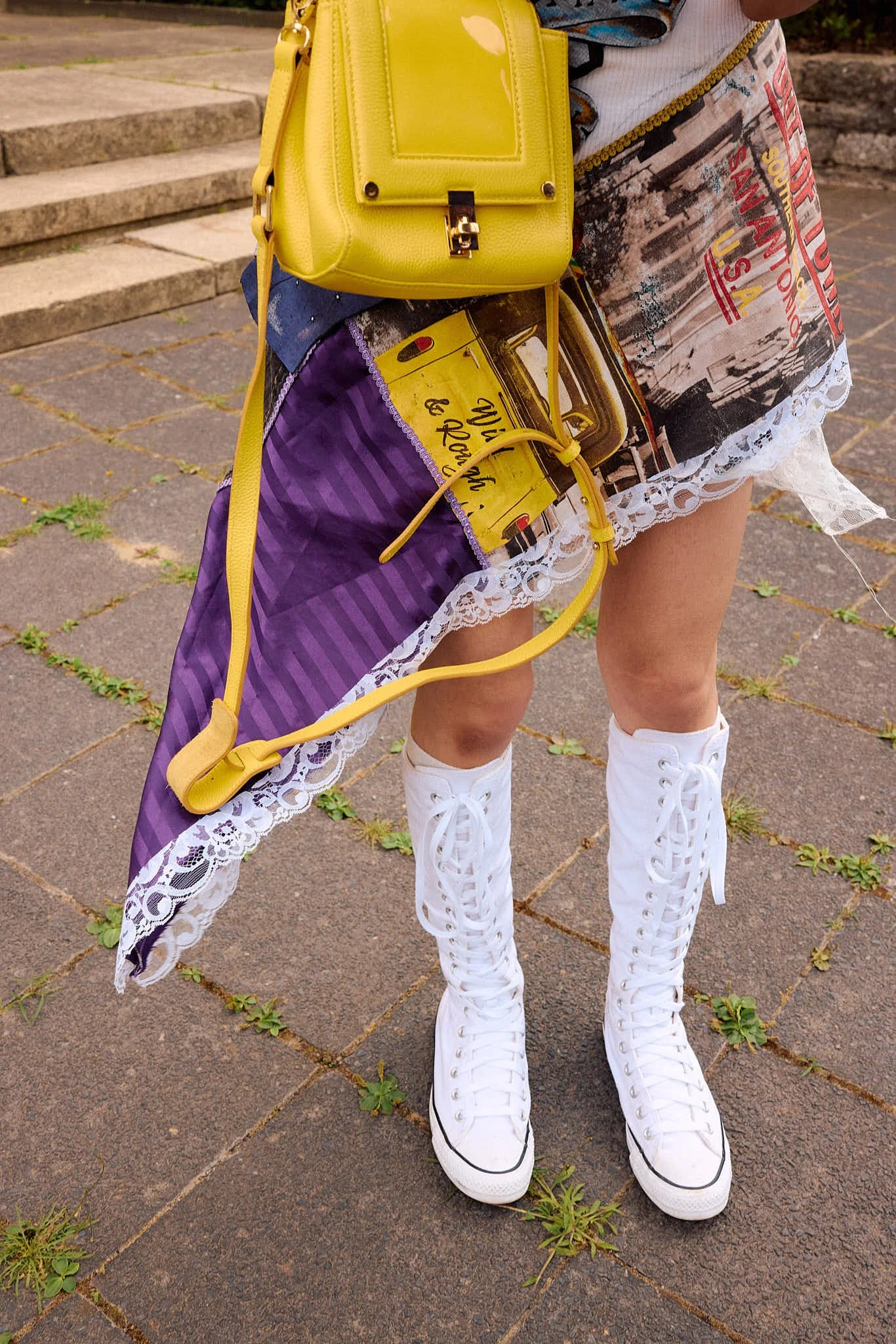
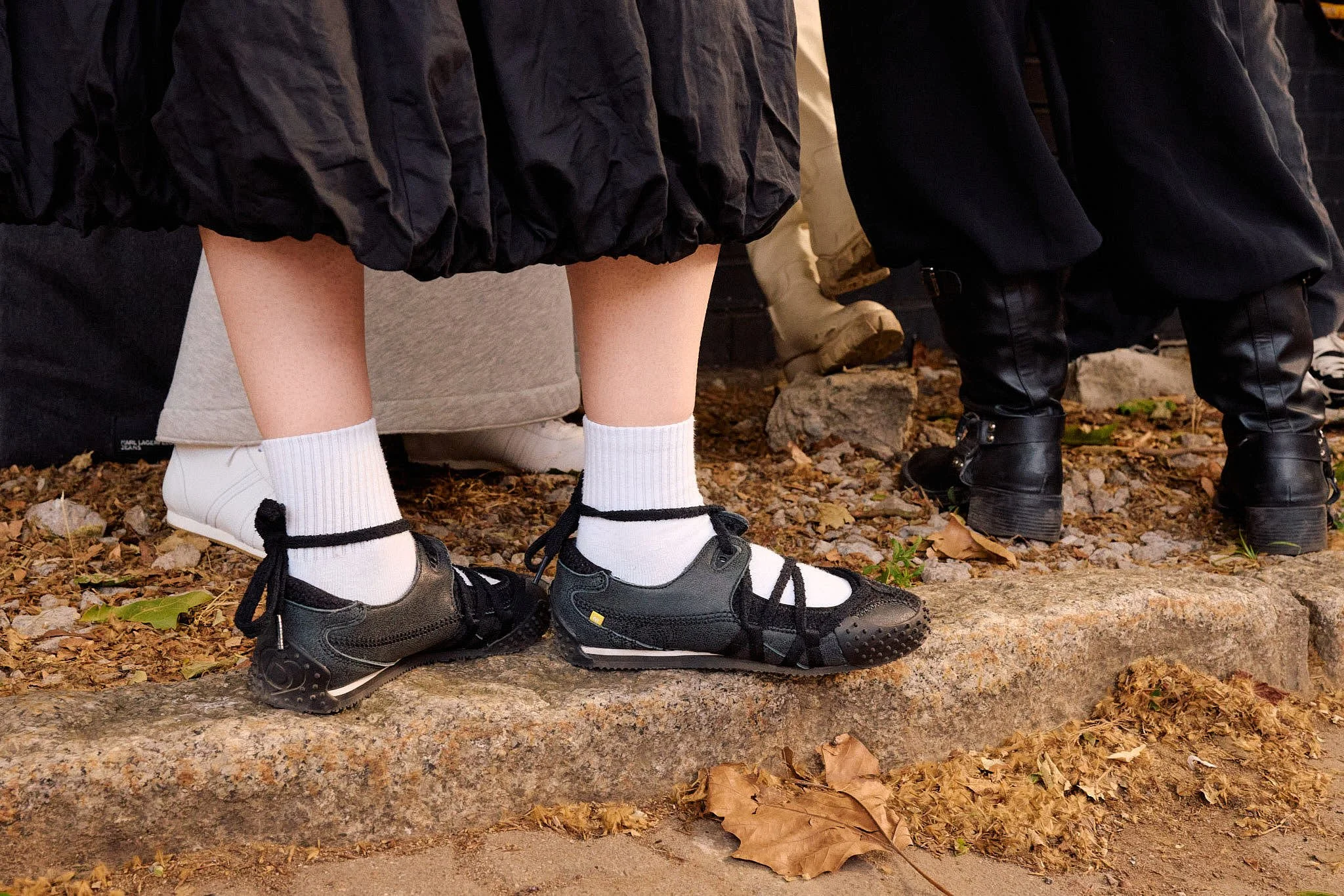
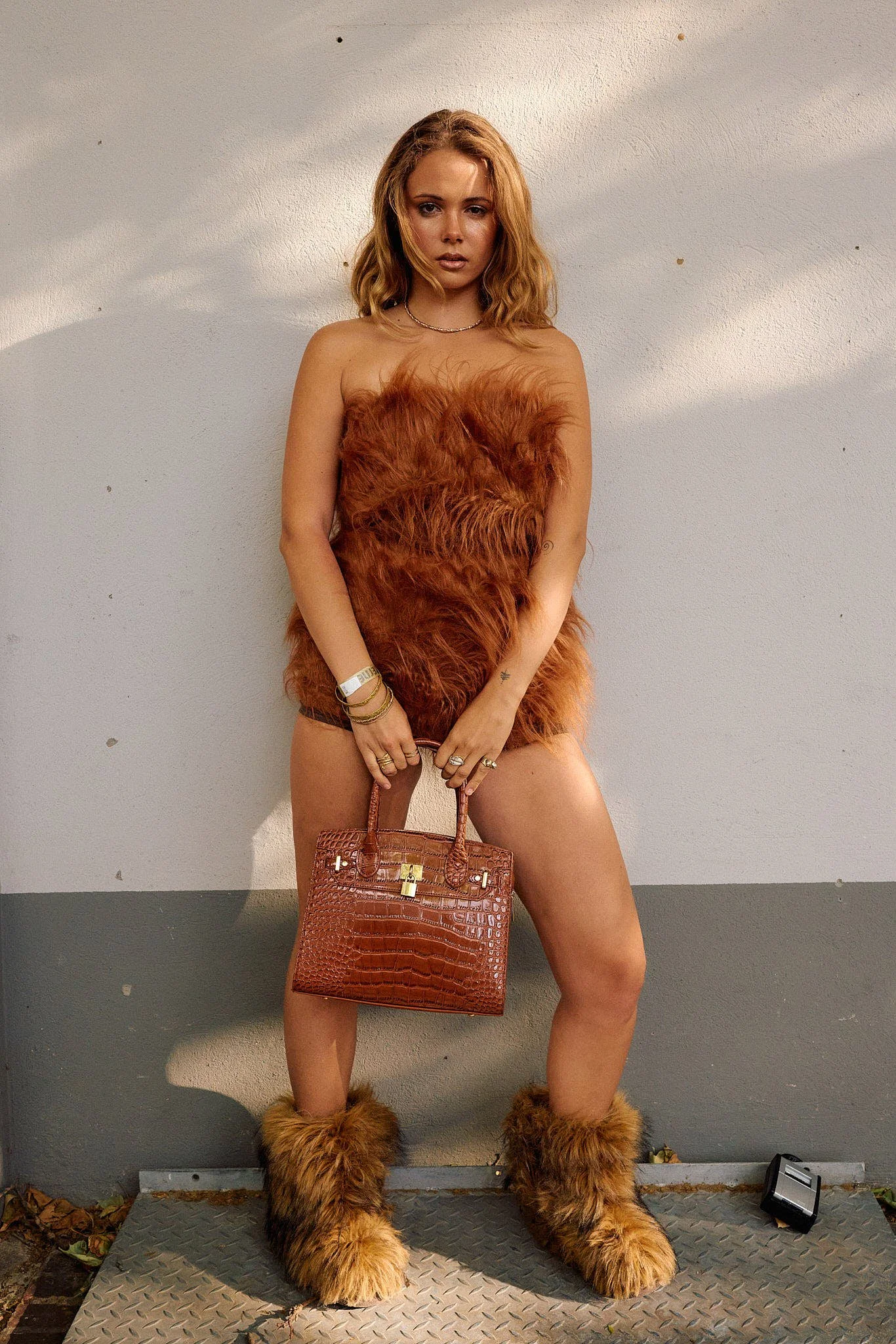
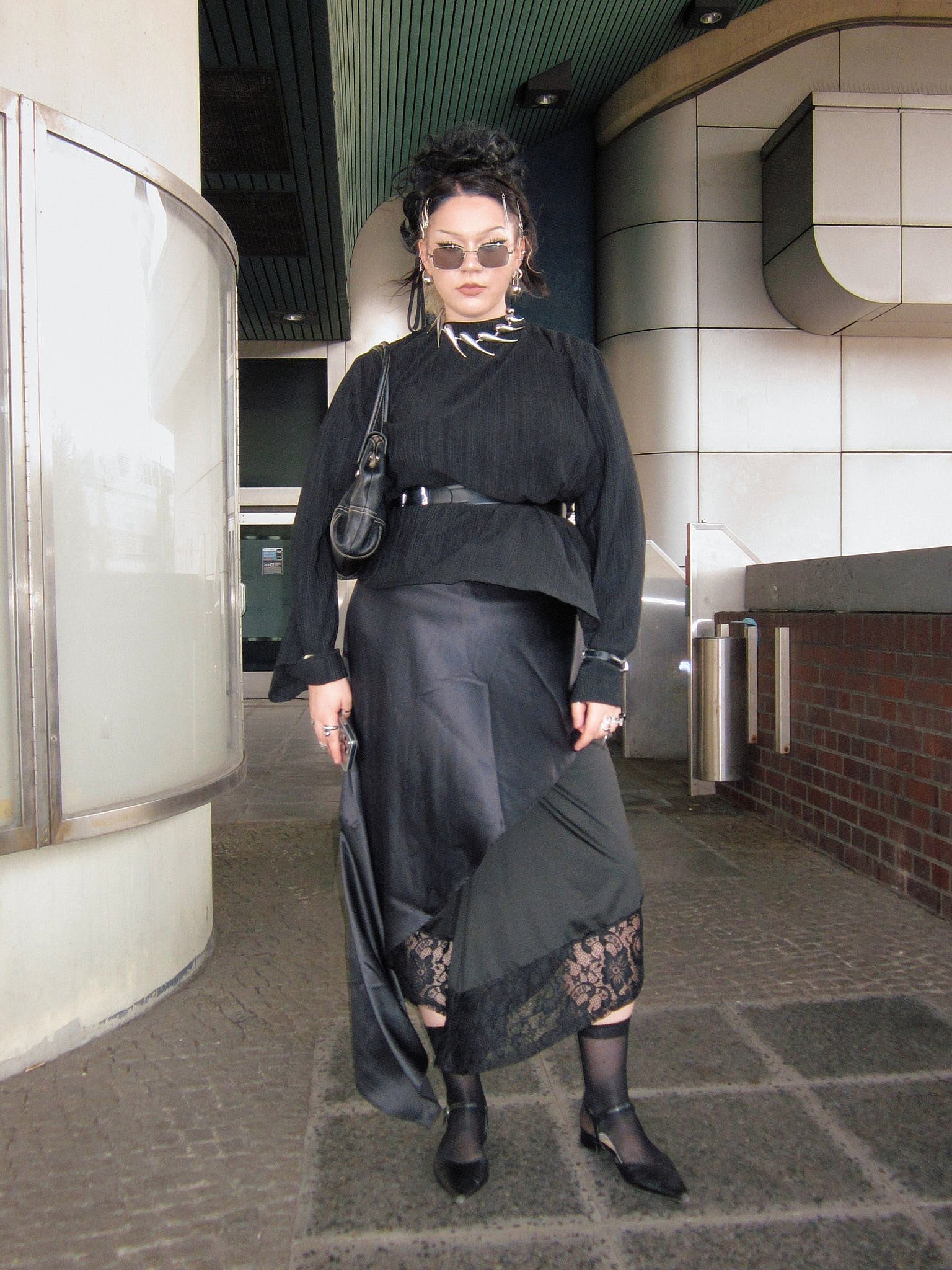
Out of the trends shared, four directions seemed to appear repeatedly: dark balletcore, thrift flip, sport-luxe / retro sportswear, and animal print: fawn season and pony hair textures. Nearly everyone seemed to align with at least one styling discipline.
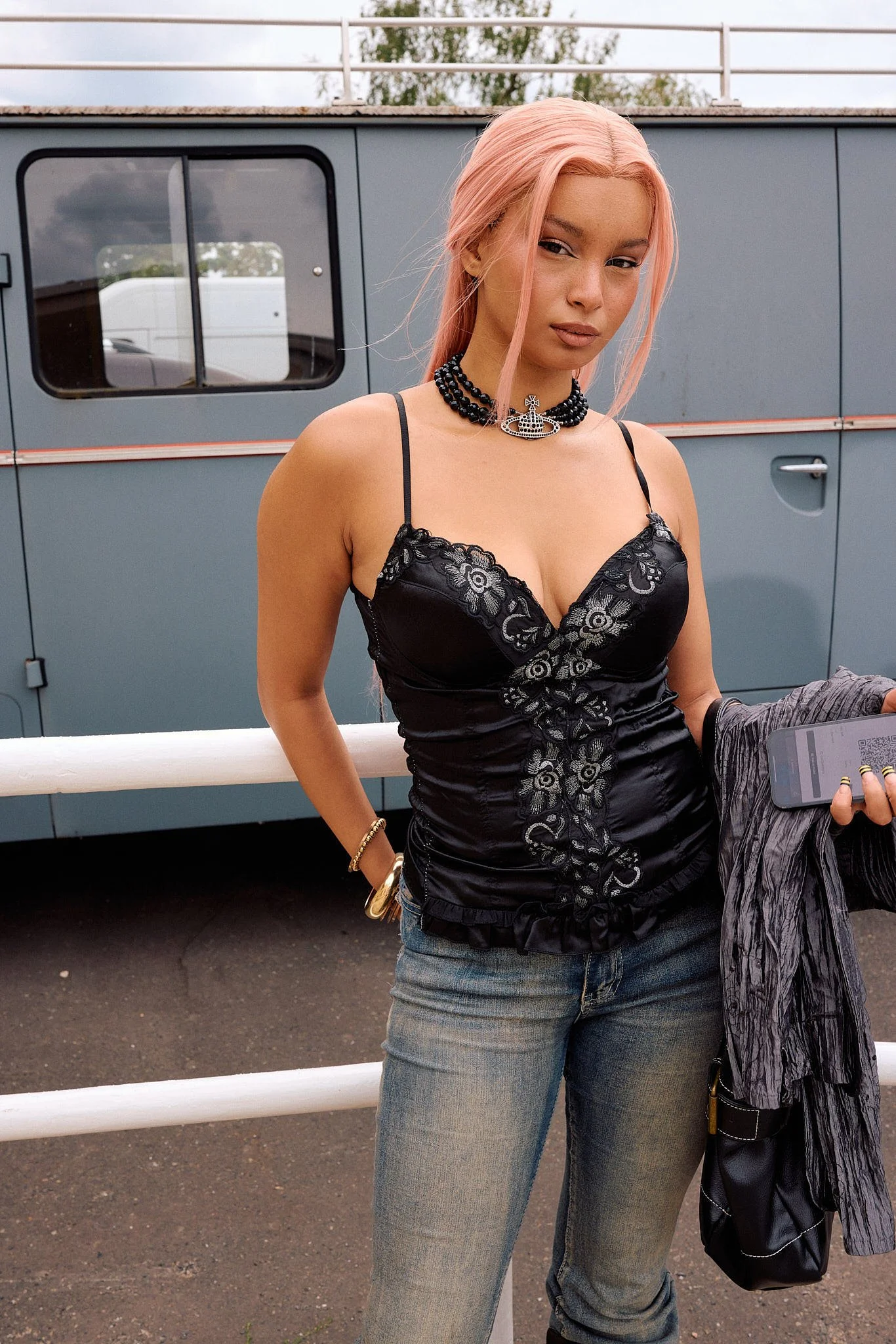
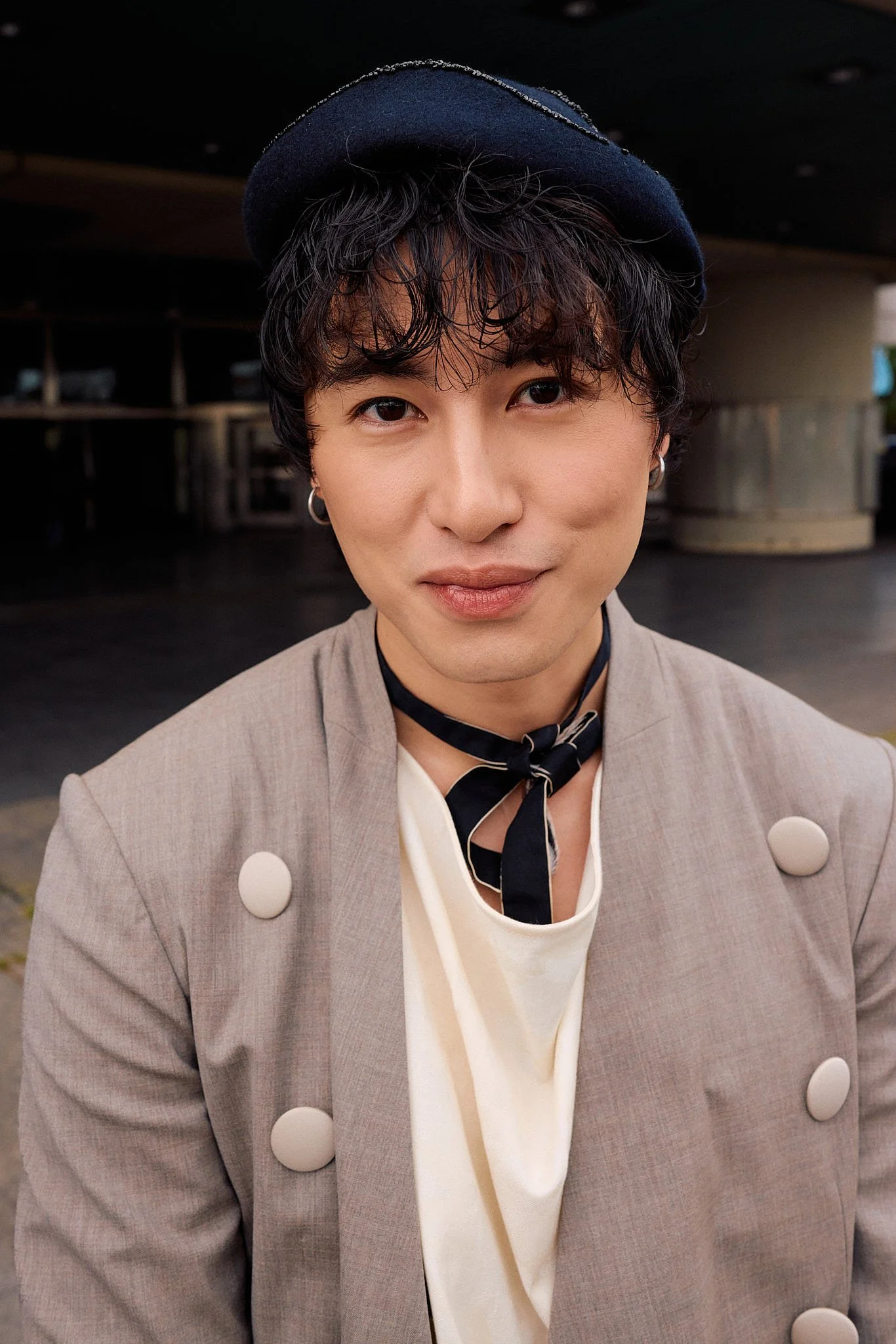
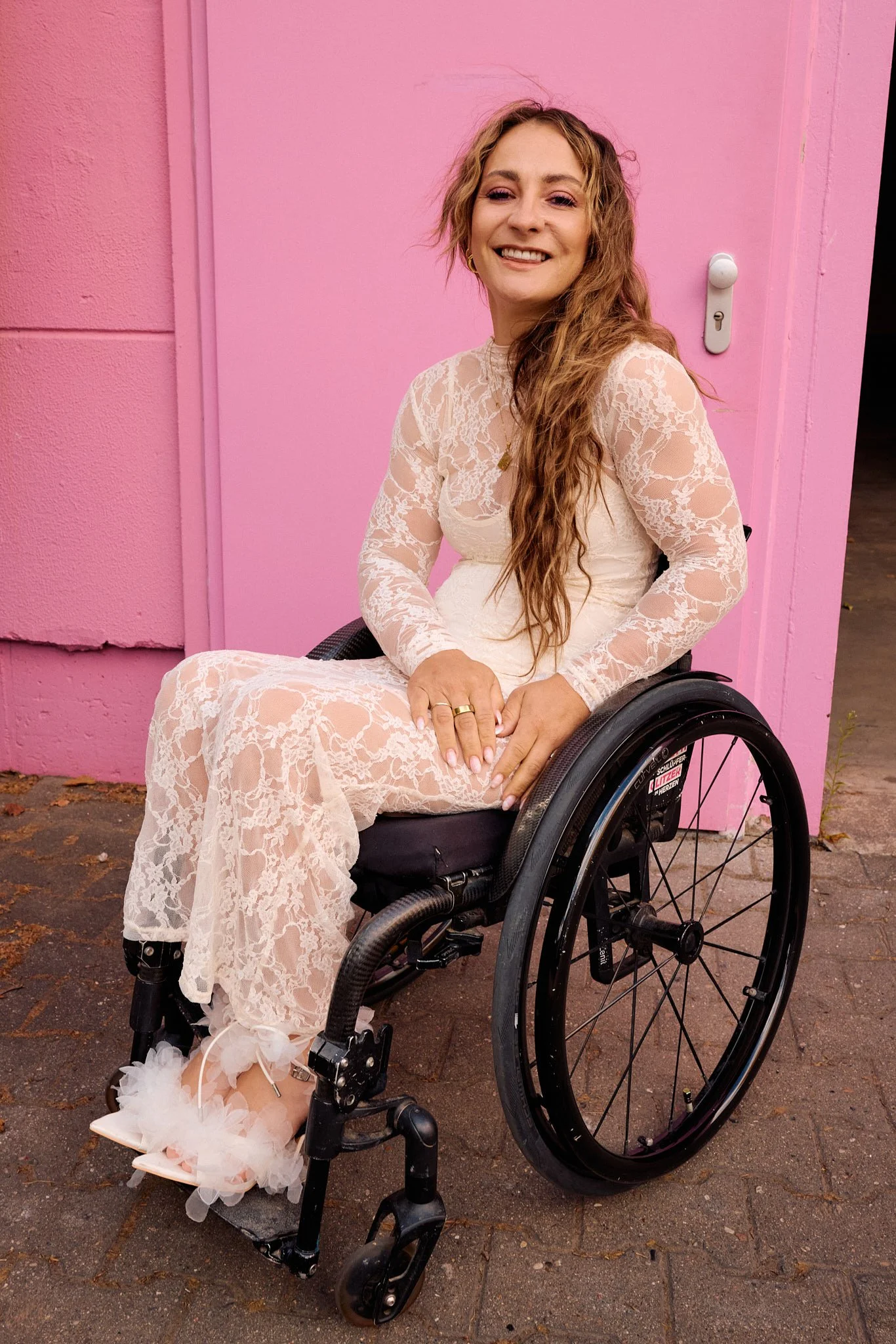
I got in for close-ups and a fly-on-the-wall for candids, as I do in London street photography, looking past the stiff model smoulder for colour in the outfit and the expression, focusing on laughter and moments that happen after they drop the pose.
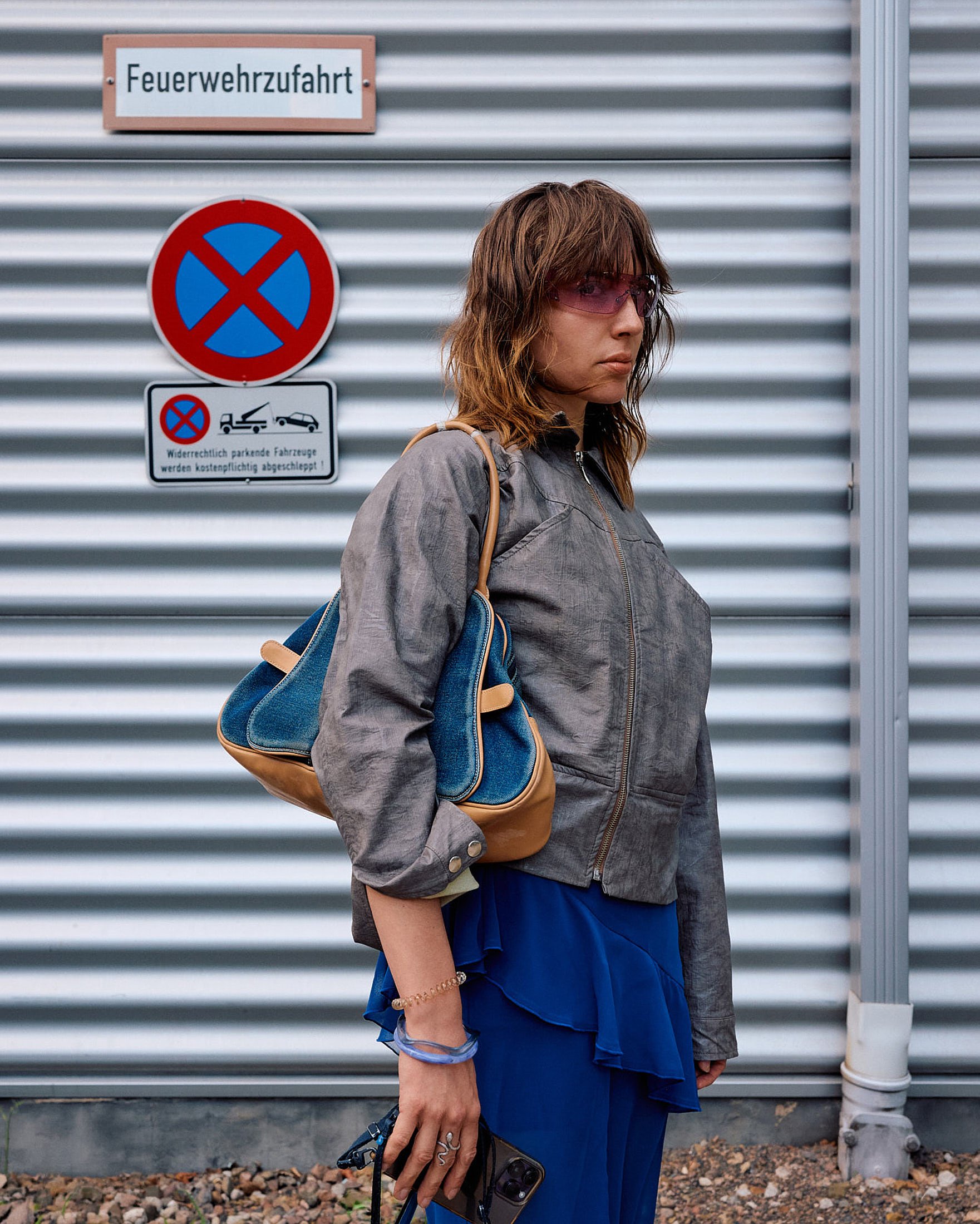
The People
At most shows, there were only four or five other street style photographers. That gave the entrances and exits a community feeling I recognise – and seek out – from London, with time to talk, connect, and direct unique portraits with backgrounds that complement each fashionable guest – rather than compete for the same photo as everyone else. It feels way more like you’re a part of it.
The welcome extended beyond the photographers. Strangers sat beside my assistant and me on the metro, started conversations, and we continued journeys with them, inviting them to Fashion Week shows, which seemed far beyond the avoid-eye-contact-at-all-costs of the Tube.
Every candid photograph came from the entrance or exit of a show, as it always does – except for this season’s Paris Fashion Week spring and summer menswear, where the record-setting heatwave offered new time for street photography in the siesta-sized hole introduced into the calendar to mitigate the highest heat of the day.
Any time someone’s eyes met the camera, the portrait was posed. I asked for consent, and they signed a release for Pinterest to publish and use the image. However, the consent process, a contrast to the principle of candid street photography, doesn’t just apply to the portraits I pose, but any time a recognisable face is published for a commercial client like Pinterest, posed or candid, we needed them to sign a release.
This is much different than my work for magazines and all the other street style photographers at Fashion Weeks. Editorial use, like in all my street photography, allows for publishing within an artistic or reportage sense without the need for consent. This is how street photography, for example, can be published as books and in print often without the subject ever knowing. It’s completely legal in most places, though not all – including Germany – and is something I talk about in my guide to overcoming the awkwardness of street photography.
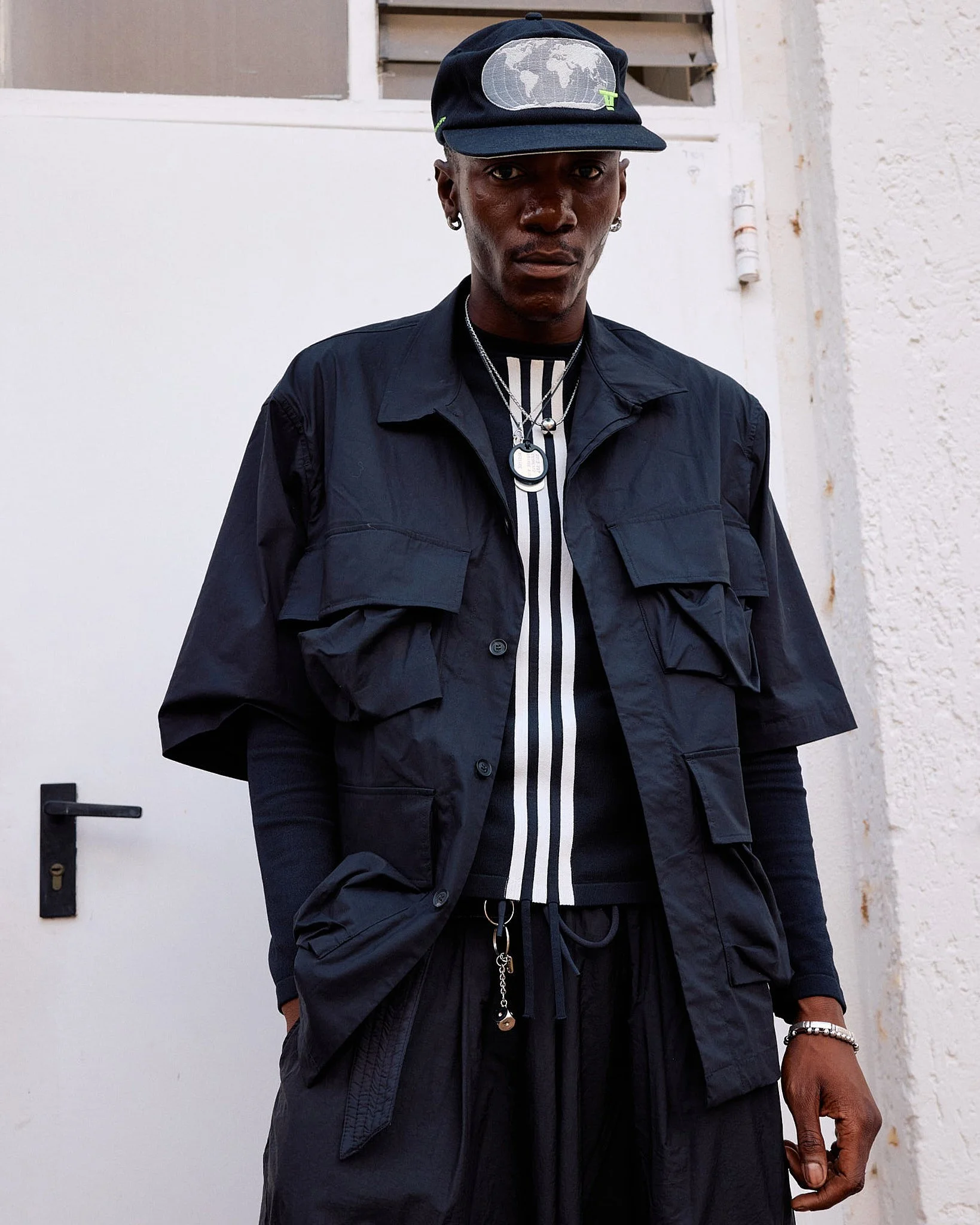
The consent component, in order to fulfil our brief, is a barrier to some. This requires me to partner with an assistant with a clipboard handy, ready to take names, signatures, and Instagram handles for Pinterest to credit. No other commercial client, that I’ve seen, shoots street style photography like Pinterest commissions – especially those who gauge emerging trends across the board.
Most often, a commercial business would want to influence what that subject is wearing. I’ve been reached out to before to shoot London street style for a well-known U.K. mall brand. They wanted me to shoot fashion week street style along with on the streets of London. It was an exciting and rare opportunity, but they shared that they wanted to use the images in their paid ads, email newsletters, and socials.
Coming from my experience with Pinterest, after first working with them on “Spotted by Pinterest”’s fall and winter London Fashion Week street style, I shared the legal requirements – and ramifications – if consent wasn’t gathered. As expected, it wasn’t something even on their radar, especially as a fast-fashion giant. That conversation quickly fizzled when I shared what was required of them and their legal team.
However, that practical process kept the consent explicit and the exchange relaxed. At the end of the day, I’ve found Pinterest to be universally beloved. It’s one of the few remaining spaces on the internet spared of politics and other divisive issues (aside from the growing use of AI).
When shooting Copenhagen Fashion Week for Pinterest one month later in August, one girl said to me it was an absolute dream of hers to be approached by Pinterest. It feels like a gift to be able to share that with someone.
Gathering consent, both for a posed photo and to later feature them, follows the method I describe in how I approach strangers for street portraits. Berlin Fashion Week was unusually open to street style, and the candids I took when they saw me after the moment I passed were compared with the other events I've covered.
The City
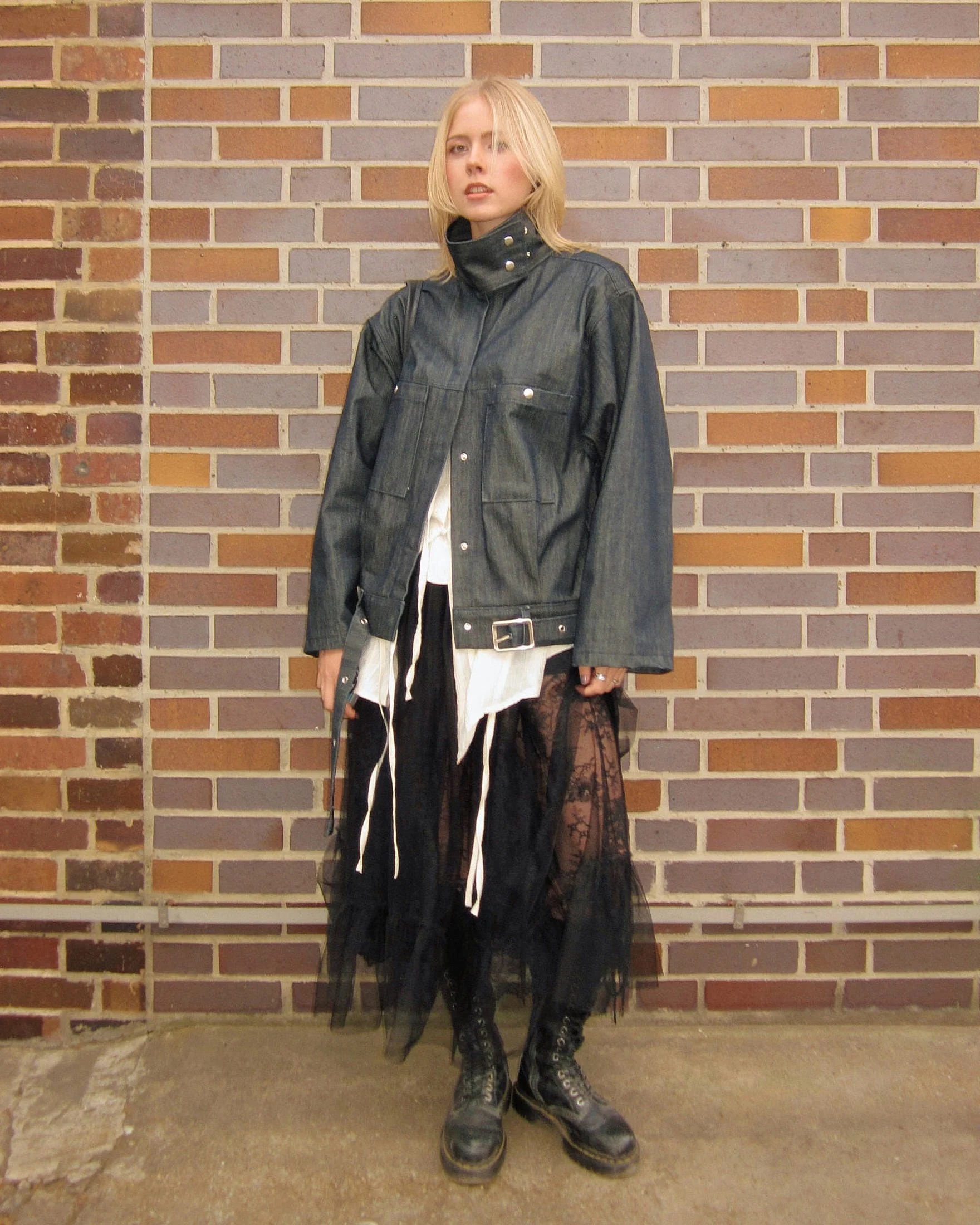
Pinterest chose Berlin for its people and locations: they shaped an environment where these trends belonged and lived, so the setting could never be separate from the clothes.
Concrete surfaces and brutalist architecture ran through the week, alongside abandoned buildings that looked ready for a magazine pitch. The sample030 show inside the former Tempelhof Airport building made the connection between setting and clothes particularly clear.
These textures are what made me most excited to capture Berlin, somewhere I’ve always wanted to visit for its music scene – but that was a dream that had to wait until another trip. Architecture frozen in time from an earlier era contrasts with the pretty streets of Paris Fashion Week womenswear street style, the industrial-yet-historic settings in Milan Fashion Week, or the busy wet roads with double-decker buses and black cabs of London.
I grew up photographing Vancouver against mountains and water, with far more open space – though I was always drawn to the newbuild architecture and glass aesthetics the West Coast offers. Now, working as a photographer in London made me study historic texture and the lines they create, applying both to frame portraits and emphasise the composition, where deep depth of field adds context.
I now look for those elements in my street photography around the world and the urban landscapes I make while travelling.
Berlin expanded that side of my fashion photography work. The backgrounds added tension while the subjects remained approachable, a balance I keep returning to in lifestyle photography and throughout my portfolio.
The Trends
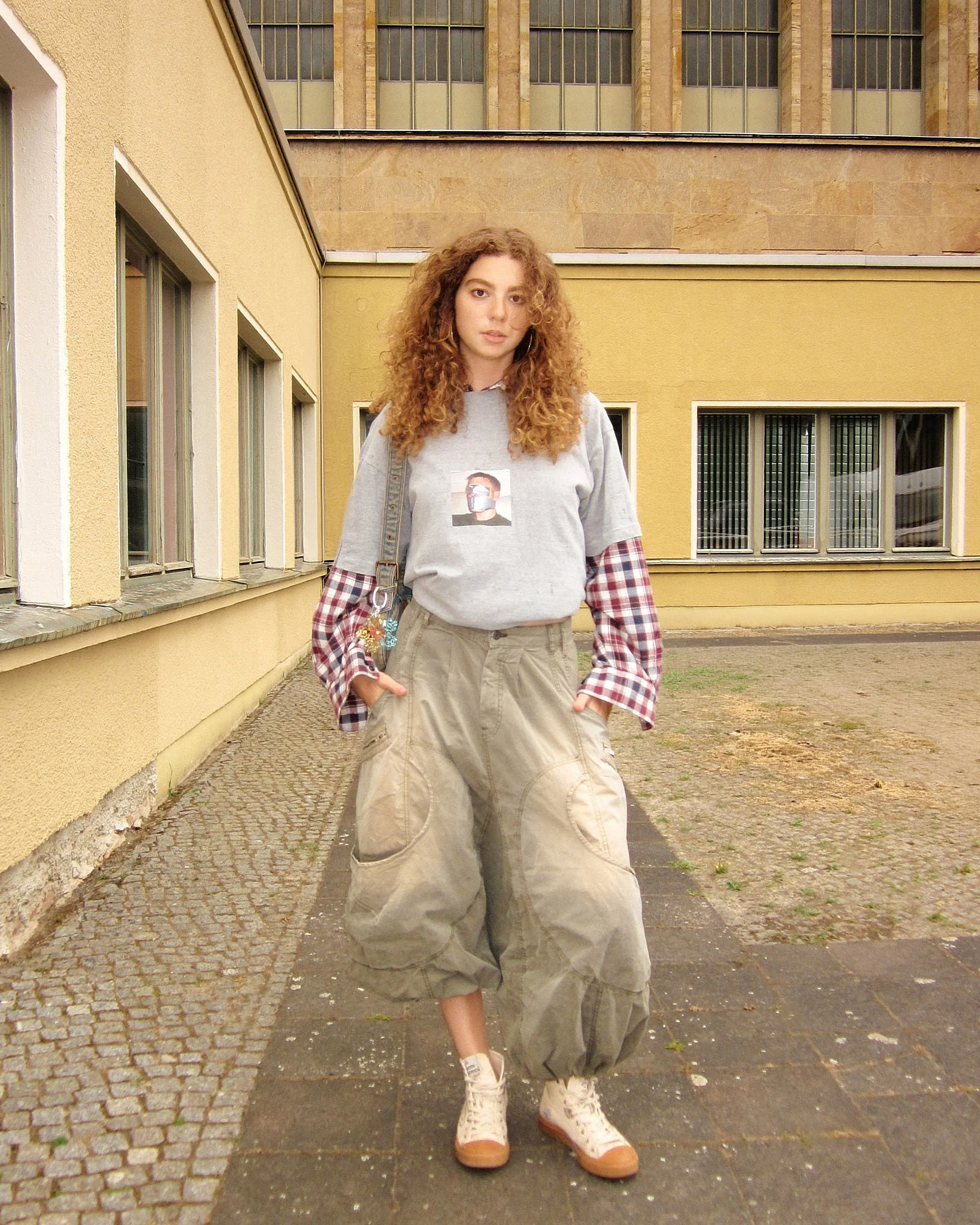
When attendees reached the venues, it immediately explained why Pinterest's directions flourished here. Dark balletcore was the most common and aligned directly with Berlin's music and nightlife culture; its catchy title alone instantly said “Berlin” in my mind – playing to a style anyone who hasn’t been to Berlin, including me before this trip, would’ve associated with the city and its reputation.
Thrift flip was another frequent sight. Berlin shares London's appetite for vintage and second-hand clothing, which regularly gives Pinterest unique inspiration images for others to fuel their own style scavenger hunts, similar to ours.
The single-label outfits, haute couture, and costumey-feeling fit akin to “peacocking” were what we often chose to avoid. They’re not relatable to those who visit Pinterest to inform their next shop. It’s about creativity that’s achievable, sometimes making something from nothing. The following month, the guest who wore a favourite outfit during Pinterest’s Copenhagen Fashion Week coverage was an outfit creatively made from upcycled denim; the wearer’s sister came back to tell me she made it entirely by hand herself and was ecstatic to be able to share it and inspire others, which became a cornerstone story I shared with the platform.
Lower-volume trends we were on the lookout for (and you should be too) included scholastic stripes (preppy coded) and hybrid footwear. I found DIY jorts, crafted patchwork, and cross-stitched, often through details that were best appreciated up close.
The Menswear
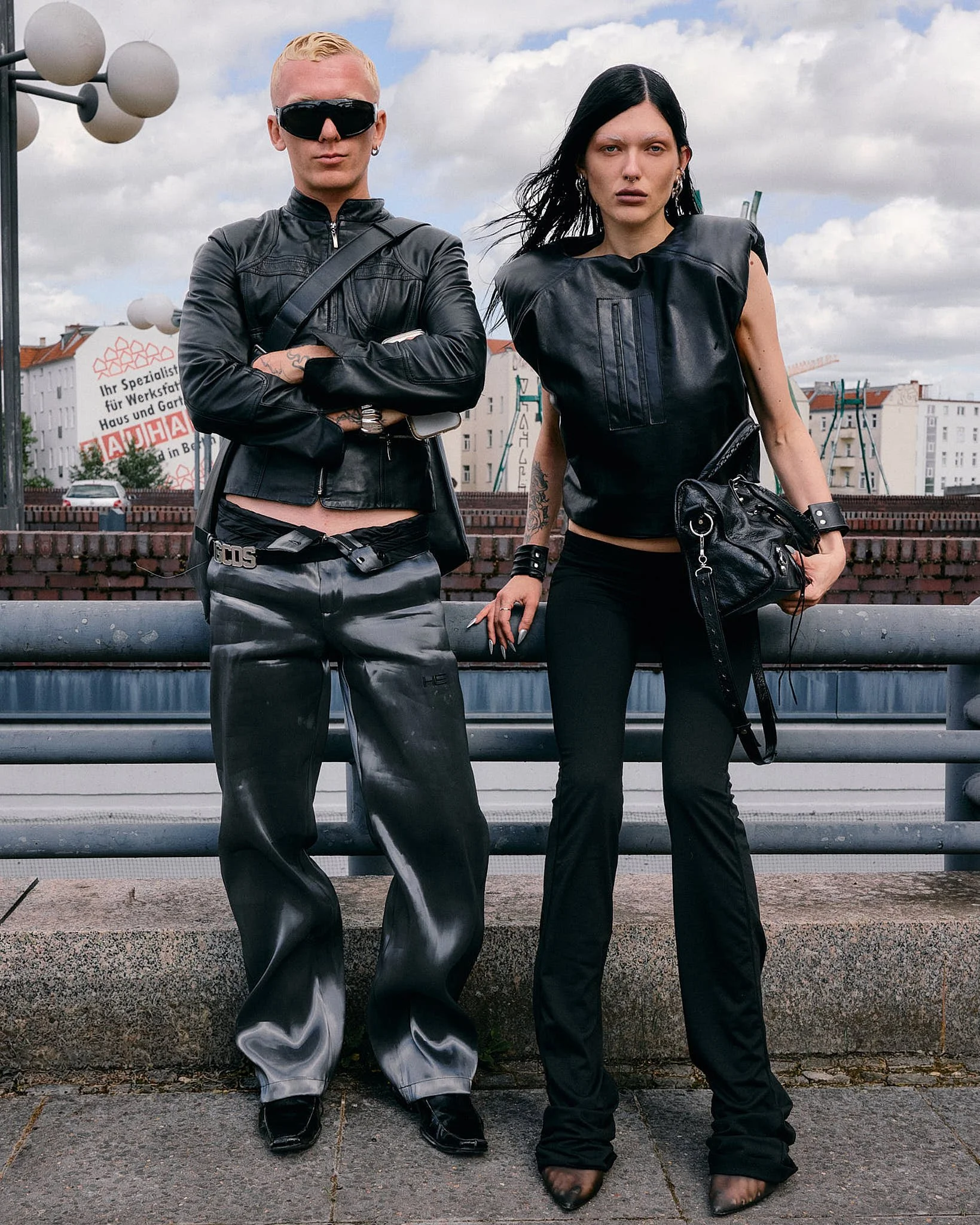
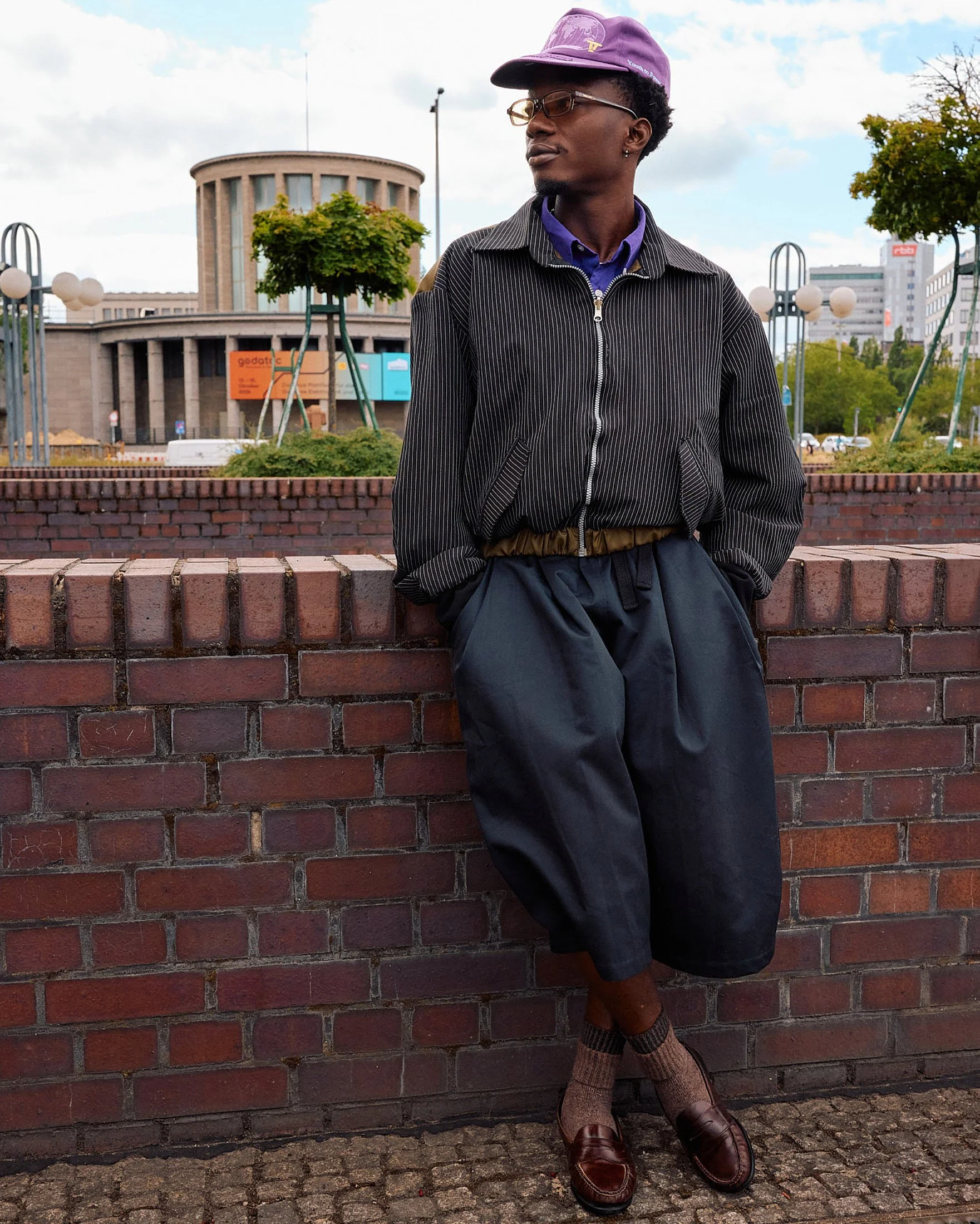
The amount of menswear was one of Pinterest's clearest pieces of feedback from Berlin when compared with the London editions. It matched my own taste too, because many designers felt relatable and attainable rather than remote from the guests the shows attracted.
Berlin’s runway pieces were ready to wear and to inspire, as some Fashion Week shows in other cities feel like a fine art gallery – those are something beautiful, to be appreciated, and aspired towards, but they may not change what you want to pick up and wear tomorrow, nor be a product of the influence of the city the designer calls home. Berlin’s designer talent roster swam upstream to that.
I grew up during the hypebeast era, when finding the right T-shirt could occupy an unreasonable amount of attention, and Berlin brought some of that excitement back.
That preference runs through what I make as a London fashion photographer, including the fall and winter menswear Paris Fashion Week for LE MILE and the fall and winter Paris street style for The Rakish Gent. Berlin offered a different version: younger in attitude, shaped by local subcultures and easier for me to imagine wearing.
The Response
Pinterest has become one of my favourite clients since our first London collaboration because the direction is simple: do what you do, but for us. That means I can shoot in my usual way while still answering the client's needs. I have a unique and humbling opportunity to shape the trends seen by fashion lovers, stylists, and designers around the world – those who frequent Pinterest most. It’s what every photographer I know uses for their inspiration and mood boards.
Pinterest told me the Berlin coverage had performed strongly on its engagement metrics, and I hope it means it won’t be the last time I visit the city to see how its fashion evolves as its Fashion Week does; a Fashion Week that’s in its infancy, compared to its older, established sibling around Europe.
Pinterest organised the final images into worldwide pinboards including The Streets of Berlin Fashion Week, Men's street style in Berlin, Unexpected sporty, and Stylish POV: you're a rockstar. Each board emphasised a different aspect of the Berlin commission, from broader street coverage to menswear and sport; trends we were tasked to find, as well as patterns that unexpectedly emerged. While we were tasked with trend-spotting, at the end of the day, we shot everyone who we thought was cool.
The Summer
Travelling for photography assignments in a regular capacity is new to me and long-awaited within my career. Travel is why I moved to London, beyond the photography opportunity. Berlin had been on my list for years, and I know I'll return for the music and nightlife when not on the clock with an early runway show call time or late nights editing.
Having never been to Paris before 2026, I had the opportunity to travel there three times before the Berlin job, with Copenhagen Fashion Week (and a fresh new trend-spotting list) later in a summer that’s quickly passing by. In between them, I went to Dublin for a Brooks Running campaign with Dermot Kennedy and spent several days among Istanbul's people and cats.
While I was away from London, my IBM campaign for Wimbledon went live across the city – a commercial lifestyle campaign that marked my two years living in London with the most London-feeling project I could imagine. Having my work displayed across the city for all to see gives me a feeling other projects haven’t, especially when it's the opportunity to lift up amazing, unexpected Londoners who deserve the praise.
The Berlin sport-luxe reference connected fashion with athletics. My Brooks Running and Wimbledon assignments represent sports I care about that’ve shaped my time in London with a sporting event that defines the city, respectively. Beyond that, they allowed for candid, street photography moments on a grand scale, giving the art I care about making a platform.
As Pinterest’s words paraphrased in my mind: do what you do, but do it for us. It’s a validating feeling when what you make for your own enjoyment becomes something bigger.